

Marketing Automation for SMEs in Singapore: How to Scale Lead Generation Without Growing Your Team
May 22, 2026 at 4:57 pm
AI Lead Generation in Singapore and Asia in 2026: What’s Actually Changed
May 26, 2026 at 7:43 am

Across Asia, brands often make the same expensive mistake: they treat the region as a single audience. One message. One campaign. One voice meant to work everywhere.
It rarely does.
Asia is a landscape of sharp cultural contrasts, shifting buying behaviors, different search habits, and deeply local preferences. What resonates in Singapore may feel too direct in Japan. What converts in Malaysia may fail to connect in Vietnam. Even neighboring countries can respond to entirely different emotional triggers, linguistic styles, and digital platforms.
This is where localization becomes less of a marketing tactic and more of a survival strategy.
For years, scaling localized content meant massive editorial teams, expensive agencies, endless translation cycles, and operational chaos. Brands either slowed down or settled for generic messaging that lacked cultural relevance. Neither option worked particularly well.
Today, artificial intelligence is changing the equation.
Businesses adopting AI Content Generation Singapore strategies are beginning to understand something fundamental: scale is no longer the problem. Relevance is.
The real competitive edge is not publishing more content. It is publishing content that feels local, authentic, and timely—without rebuilding campaigns from scratch every single time.
The rise of AI Content Generation Singapore solutions reflects a broader shift happening across Asia. Smart brands are no longer asking, “How do we create more content?”
They are asking a far more strategic question:
“How do we create culturally relevant content across multiple Asian markets without burning time, money, and internal resources?”
That question changes everything.
Because in Asia, localization is not optional. It is the difference between being understood and being ignored.
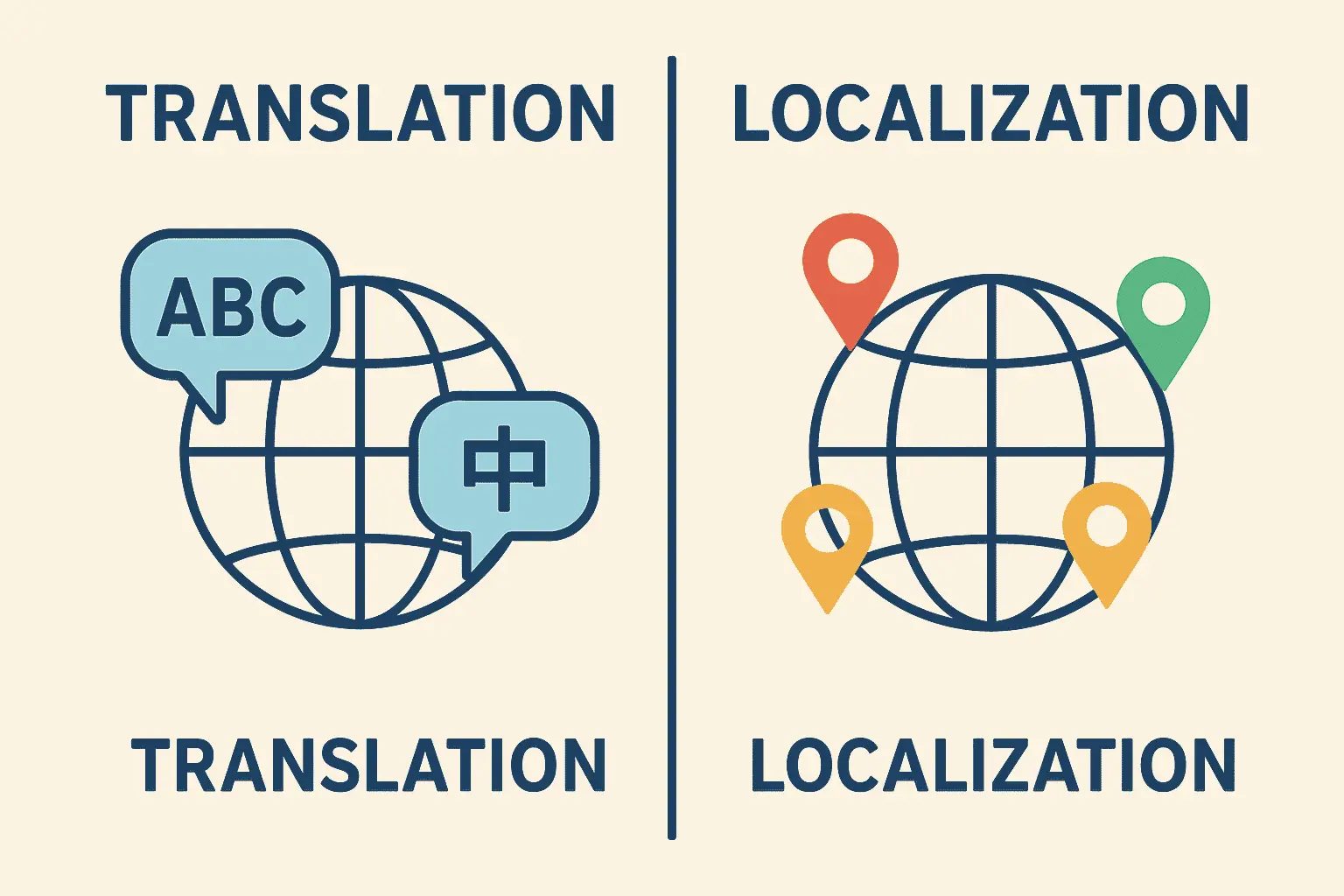
Translation Is Dead. Localization Is the Real Battlefield
Many companies still confuse translation with localization.
That confusion costs revenue.
Translation changes language. Localization changes meaning.
A sentence translated word for word may be grammatically correct, but culturally tone-deaf. Consumers know when content feels imported. They know when messaging was copied from another market and lazily repackaged for theirs.
And in Asia, audiences are especially sensitive to nuance.
Consider how purchasing language shifts between regions. Singaporean buyers may prefer concise, efficiency-driven messaging. Indonesian consumers often respond to community-focused language. Japanese audiences may favor trust-building and subtle persuasion over aggressive sales copy.
Same product. Different psychology.
This is why modern brands are investing heavily in AI Content Generation Singapore systems that move beyond basic translation and into intelligent localization.
AI today can adapt messaging for local tone, cultural references, search behavior, and even market-specific customer intent. Instead of simply converting English into another language, AI can reshape messaging to feel native to the audience consuming it.
The best localization strategies do not erase brand consistency either. They preserve the core message while adapting how that message is delivered.
That balance matters.
A strong regional identity without local sensitivity feels robotic. Hyper-local messaging without brand consistency feels fragmented.
The smartest companies use AI Content Generation Singapore workflows to maintain both: centralized brand control and market-specific flexibility.
This is not about replacing human creativity.
It is about removing operational bottlenecks so human teams can focus on judgment, refinement, and cultural intelligence instead of repetitive production.
In a region as diverse as Asia, that difference compounds quickly.
The Silent Content Crisis Most Asian Brands Are Facing
Most businesses in Asia are overwhelmed by content demands.
Blogs. Landing pages. SEO articles. Product descriptions. Paid ads. Email campaigns. Social media. Regional campaigns across multiple countries.
The expectation is relentless.
Teams are being asked to produce more content, faster, for more markets, with tighter budgets and fewer resources.
Something eventually breaks.
Usually, quality.
Some companies respond by publishing generic content that sounds safe but says nothing meaningful. Others overinvest in manual localization, creating slow approval chains that kill momentum before campaigns even launch.
Neither path scales.
This is the hidden operational crisis many marketing leaders quietly struggle with.
Content bottlenecks are not simply productivity issues anymore—they are growth constraints.
That is why businesses exploring AI Content Generation Singapore approaches are seeing a different path emerge.
Instead of building separate content workflows for every country, AI enables centralized systems that can produce localized drafts at scale. A single campaign can be intelligently adapted for Singapore, Malaysia, Thailand, Indonesia, Vietnam, and beyond without restarting from zero each time.
The efficiency gains are obvious.
But speed alone is not the real story.
The real advantage of AI Content Generation Singapore is consistency.
Brand voice becomes easier to protect. Messaging becomes easier to standardize. Teams spend less time on repetitive revisions and more time optimizing performance.
More importantly, businesses stop treating localization like a burden.
They start treating it like leverage.
And in Asia’s crowded digital economy, leverage matters more than volume.
Because the brands winning attention are not necessarily the loudest.
They are simply the most relevant.

Scaling Localization Without Losing Your Brand Soul
The fear many companies have about scaling content with AI is simple:
“If we automate too much, will our brand start sounding generic?”
It is a fair concern.
Poorly executed AI content often feels mechanical, repetitive, and stripped of personality. But the problem is rarely the technology itself. The problem is the workflow behind it.
The strongest brands in Asia are not replacing strategy with automation. They are using automation to strengthen strategy.
That distinction matters.
Modern localization requires a system that balances speed with authenticity. AI handles scale. Human oversight protects nuance. Together, they create a process that is both efficient and culturally intelligent.
This is where businesses embracing AI Content Generation Singapore are finding a competitive advantage.
Instead of manually rewriting every campaign for every market, AI can generate localized drafts for blogs, paid ads, email campaigns, landing pages, and social content in minutes. Teams then refine the message to fit cultural context and business goals.
The result is not robotic content.
It is operational clarity.
Brands maintain a consistent voice while adapting tone, examples, emotional triggers, and calls-to-action for local markets. A campaign in Singapore may emphasize efficiency and ROI, while messaging in Thailand might lean more heavily into relationships and trust.
Same brand. Smarter delivery.
The smartest organizations understand something most businesses overlook:
Consistency does not mean sameness.
Real consistency means preserving the essence of the brand while allowing the expression of that brand to evolve across different markets.
Companies investing in AI Content Generation Singapore strategies are not simply producing content faster.
They are building regional content engines capable of growing without collapsing under operational pressure.
That shift changes how scale works.

A Practical Framework for Localizing Content at Scale Across Asia
Scaling content localization sounds intimidating until it becomes structured.
The mistake many businesses make is approaching localization reactively. A new market enters the picture, and suddenly teams scramble to rewrite assets, brief translators, adjust messaging, and fix inconsistencies after launch.
That cycle creates friction.
Localization works better when it is engineered.
The first step is establishing a centralized content foundation. Every market needs a clear understanding of brand messaging, positioning, tone, and objectives. Without this foundation, regional teams often improvise, leading to fragmented communication and diluted branding.
The second step involves identifying market-specific intent.
Different Asian audiences search differently, consume differently, and convert differently. What buyers care about in Singapore may not mirror priorities in Vietnam or Indonesia. Localization without audience understanding becomes guesswork.
This is where AI Content Generation Singapore systems begin creating measurable efficiency.
Instead of manually creating every variation from scratch, businesses can use AI to generate localized first drafts based on regional preferences, local search behavior, and audience-specific messaging structures.
The third step is human refinement.
AI accelerates production, but humans still provide strategic judgment. Cultural sensitivity, emotional nuance, and market awareness remain essential. Smart organizations treat AI as an operational multiplier—not a replacement for expertise.
The fourth step focuses on performance optimization.
Localized content should never remain static. Teams must monitor engagement, SEO rankings, conversion rates, and audience feedback to continuously refine messaging across regions.
Businesses using AI Content Generation Singapore workflows are discovering that localization becomes dramatically easier when systems replace improvisation.
And systems scale far better than chaos ever will.
The SEO Advantage of Localized AI Content in Asia
Many brands invest heavily in content but still struggle to rank in regional search markets.
The reason is painfully simple:
Translated content rarely performs as well as localized content.
Search behavior is deeply regional. Even when people search for the same solution, they often use different phrases, different intent signals, and different expectations based on culture and market maturity.
A keyword strategy that performs in Singapore may completely miss the mark in Thailand or Malaysia.
This is where localization becomes an SEO advantage rather than just a branding exercise.
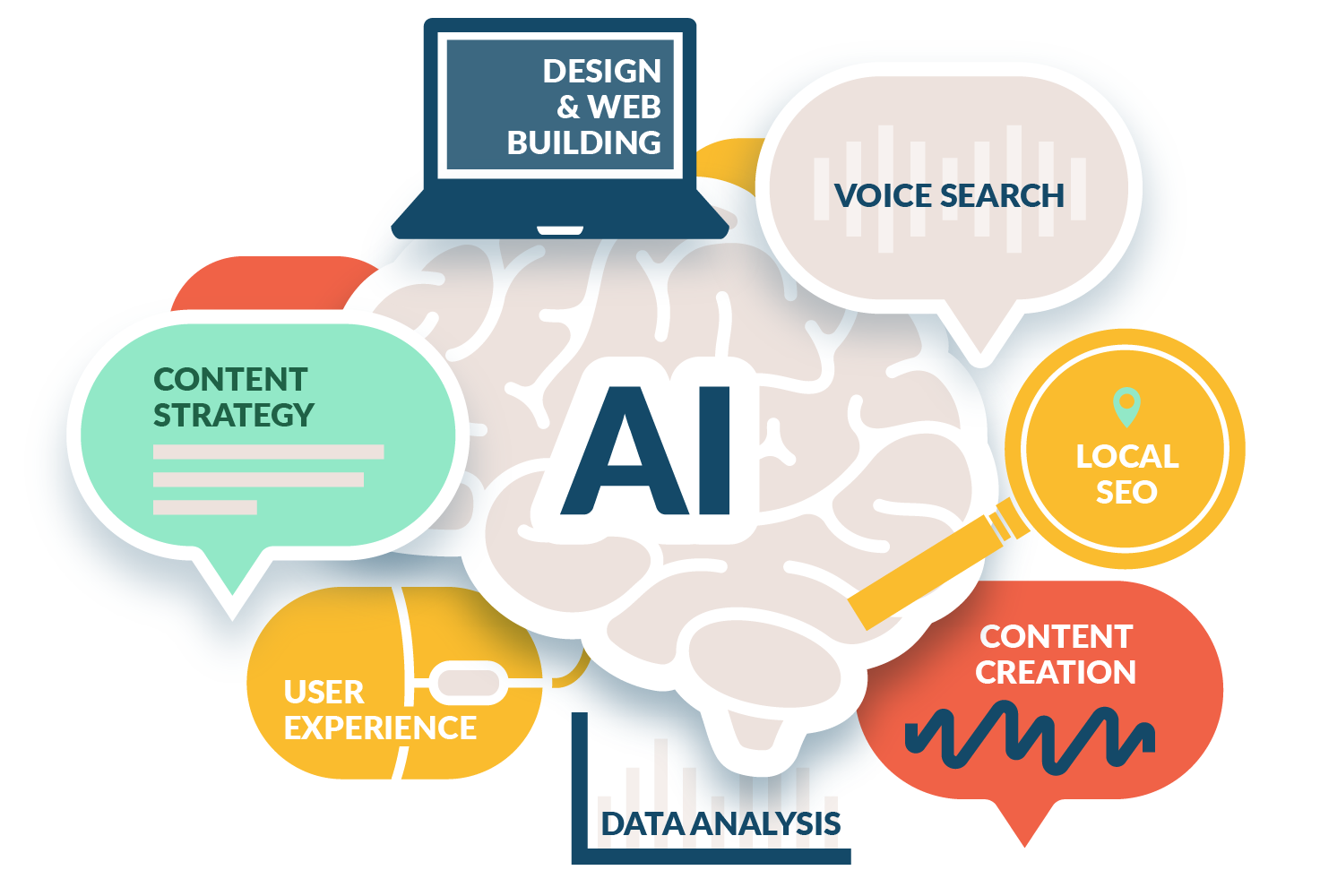
Businesses using AI Content Generation Singapore approaches are increasingly able to build multilingual SEO ecosystems without overwhelming internal teams.
AI can help identify localized keyword intent, generate region-specific content variations, and optimize metadata, headings, and messaging for different search environments. More importantly, it enables brands to scale content velocity without sacrificing relevance.
That balance matters.
Because in SEO, volume without precision creates noise.
Localized content tends to rank better because it mirrors how local audiences think, search, and speak. It addresses market-specific pain points rather than relying on generic, one-size-fits-all messaging.
Search engines reward relevance.
Users reward familiarity.
That combination compounds over time.
Companies investing in AI Content Generation Singapore are not simply improving rankings—they are building sustainable organic visibility across multiple Asian markets simultaneously.
And in competitive industries, visibility often becomes the first domino that drives traffic, trust, and ultimately revenue.
Conclusion
Asia will only become more competitive.
More businesses are entering digital markets. Consumer expectations continue to rise. Attention spans shrink while content demands expand.
The pressure is not slowing down.
Brands that continue relying on manual workflows and generic messaging will eventually face the same reality: they cannot move fast enough to stay relevant across multiple markets.
That is the uncomfortable truth.
The future belongs to businesses capable of balancing scale with authenticity.
This is why AI Content Generation Singapore is becoming more than just a marketing trend. It is evolving into a strategic infrastructure for regional growth.
The goal is not to flood the internet with more content.
The goal is to create smarter content systems—systems capable of adapting messaging, preserving brand identity, and reaching audiences in ways that feel genuinely local.
Because audiences do not reward brands for effort.
They reward brands for relevance.
Businesses adopting AI Content Generation Singapore strategies today are positioning themselves for a future where localization is not an operational burden but a competitive weapon.
In Asia, content that feels foreign gets ignored.
Content that feels local earns trust.
And trust, in the end, is still the currency that compounds the fastest.
