

AI Content Generation Singapore: How to Improve Content Conversion Rates
July 1, 2026 at 8:10 pmAI Content Generation Singapore: Common Errors and Fixes
July 6, 2026 at 8:08 pm

In today’s increasingly competitive digital economy, generating leads is no longer the biggest challenge for B2B businesses in Singapore. The real challenge lies in converting those leads into qualified opportunities and ultimately into loyal customers. Many organizations invest heavily in digital advertising, content marketing, SEO, LinkedIn outreach, and marketing automation, only to discover that their sales teams struggle to convert the pipeline into meaningful revenue. The underlying issue is often not a lack of leads—it is a lack of alignment between sales and marketing.
Successful companies understand that B2B Lead Generation for Singapore is no longer about isolated campaigns or departmental targets. Instead, it requires a unified strategy where marketing attracts the right audience while sales continues the conversation with consistent messaging, accurate qualification, and timely follow-up. When both departments work toward shared revenue objectives, businesses create a predictable and scalable growth engine rather than relying on inconsistent bursts of lead generation.
Singapore’s B2B landscape is becoming increasingly sophisticated. Buyers conduct extensive online research, compare multiple vendors, read thought leadership content, and seek trusted advisors before engaging with a salesperson. This means companies must build credibility long before the first sales conversation takes place. Organizations that synchronize marketing insights with sales execution gain a significant competitive advantage because every customer interaction becomes more relevant, personalized, and valuable.
Throughout this guide, you’ll discover how businesses can build an effective sales and marketing alignment model that strengthens B2B Lead Generation for Singapore, improves lead quality, shortens sales cycles, and creates sustainable revenue growth in an increasingly competitive marketplace.

Stop Chasing More Leads—Start Building Better Buyer Journeys
Many businesses assume that poor revenue performance stems from an insufficient number of leads. In reality, the modern B2B marketplace demonstrates the opposite. Buyers have access to more information than ever before, making purchasing decisions based on research, trust, expertise, and perceived value rather than sales presentations alone.
Modern B2B Lead Generation for Singapore begins long before a prospect fills out a contact form. Decision-makers typically consume multiple pieces of content, evaluate competitors, attend webinars, read industry reports, and explore case studies before engaging with a supplier. Businesses that fail to educate prospects during this research phase often lose opportunities before their sales teams even know a buyer exists.
Another defining characteristic of Singapore’s B2B market is its emphasis on efficiency and measurable business outcomes. Procurement teams and executives expect vendors to demonstrate clear value propositions backed by evidence. Generic marketing messages no longer resonate with sophisticated buyers who demand personalized solutions to complex business challenges.
Artificial intelligence has further transformed buyer behavior by enabling companies to deliver personalized recommendations, automate nurturing campaigns, and analyze buying intent across multiple digital channels. Organizations embracing AI can identify high-intent prospects earlier while tailoring content to different stages of the customer journey.
The businesses consistently winning today recognize that B2B Lead Generation for Singapore is not simply about increasing website traffic or collecting email addresses. It is about creating a complete buyer journey where every touchpoint builds confidence, answers critical questions, and gradually moves prospects toward making informed purchasing decisions. Companies focusing on education instead of aggressive selling consistently outperform those relying on traditional outbound tactics.

The Hidden Cost of Sales and Marketing Misalignment
Few operational issues damage business growth more than disconnected sales and marketing teams. While both departments ultimately pursue revenue, they often measure success using completely different metrics. Marketing celebrates campaign performance, impressions, downloads, and Marketing Qualified Leads, while sales focuses exclusively on closed deals and revenue generation. This disconnect creates friction throughout the customer acquisition process.
One of the most common symptoms is disagreement over lead quality. Marketing believes it has delivered qualified prospects, while sales argues that the leads lack purchasing intent or budget authority. Without shared qualification criteria, valuable opportunities fall through the cracks, resulting in wasted advertising spend and declining confidence between teams.
Effective B2B Lead Generation for Singapore requires a seamless transition between marketing engagement and sales conversations. When messaging changes dramatically after handoff, buyers experience confusion that weakens trust. Prospects who received educational, consultative content during marketing should encounter the same expertise when speaking with sales representatives.
Data fragmentation creates another costly obstacle. Marketing automation platforms, CRM systems, advertising dashboards, and analytics tools frequently operate independently, making it difficult to understand which campaigns genuinely contribute to revenue. Organizations end up optimizing vanity metrics instead of business outcomes.
The financial consequences extend beyond lost opportunities. Longer sales cycles, increased acquisition costs, duplicated work, inconsistent customer experiences, and lower conversion rates collectively reduce profitability. Businesses investing heavily in B2B Lead Generation for Singapore must recognize that marketing performance cannot be evaluated independently from sales execution. Revenue is generated through collaboration, not departmental competition.
Build One Revenue Team Instead of Two Separate Departments
Organizations achieving consistent growth abandon the traditional mindset of separate sales and marketing departments. Instead, they create a unified revenue team where every activity contributes toward shared business objectives. Alignment begins with leadership establishing common goals that prioritize revenue, customer acquisition, and customer lifetime value over isolated departmental metrics.
The first step is developing a clearly defined Ideal Customer Profile (ICP). Both marketing and sales should agree on company size, industry, geographic focus, buying triggers, decision-makers, challenges, and budget expectations. This shared understanding ensures campaigns attract prospects that sales actually wants to pursue.
Next comes buyer persona development. Marketing may understand audience interests through campaign analytics, while sales possesses firsthand knowledge from customer conversations. Combining these perspectives creates richer buyer insights and enables more personalized engagement throughout the purchasing journey.
Successful B2B Lead Generation for Singapore also depends on establishing formal Service Level Agreements (SLAs). Marketing commits to delivering qualified leads based on agreed criteria, while sales commits to responding within defined timeframes and providing continuous feedback on lead quality. This accountability eliminates ambiguity and encourages continuous optimization.
Regular alignment meetings further strengthen collaboration. Marketing gains visibility into objections encountered during sales conversations, allowing future content to address those concerns proactively. Meanwhile, sales benefits from understanding campaign strategies, enabling representatives to reinforce messaging already familiar to prospects.
Ultimately, businesses that excel at B2B Lead Generation for Singapore recognize that alignment is not a one-time initiative. It is an ongoing operational discipline built on communication, shared accountability, transparent reporting, and a collective commitment to delivering exceptional customer experiences from first impression to final purchase.
Build a Revenue Engine That Consistently Generates Qualified Opportunities
A successful revenue engine does not rely on a single marketing channel. Instead, it combines multiple strategies that work together to attract, educate, nurture, and convert decision-makers throughout the buying journey. Companies that consistently outperform their competitors understand that sustainable growth comes from creating an integrated ecosystem rather than depending on isolated campaigns.
The foundation of effective B2B Lead Generation for Singapore begins with valuable content. Decision-makers actively seek insights that help solve business challenges, reduce operational risks, or improve profitability. Educational blogs, industry reports, case studies, webinars, whitepapers, and thought leadership articles position a business as a trusted advisor instead of just another vendor.
Search engine optimization ensures this content reaches potential buyers when they are actively researching solutions. When combined with LinkedIn marketing, targeted PPC campaigns, email nurturing, and remarketing, businesses create multiple touchpoints that reinforce brand credibility throughout the buyer journey.
Lead magnets also play a critical role in converting anonymous visitors into qualified prospects. Resources such as ROI calculators, implementation guides, market reports, and industry benchmarks provide immediate value while encouraging prospects to share their contact information. However, collecting leads is only the beginning.
Modern marketing automation platforms enable businesses to nurture leads based on behavior, engagement, and buying intent. Prospects who download multiple resources or revisit pricing pages demonstrate stronger purchase signals than casual website visitors. Automated workflows can deliver increasingly relevant content while notifying sales teams when buying intent reaches predefined thresholds.
Artificial intelligence further strengthens B2B Lead Generation for Singapore by analyzing behavioral data, predicting purchase readiness, recommending personalized content, and identifying accounts most likely to convert. Instead of treating every lead equally, organizations can prioritize high-value opportunities, allowing sales teams to focus their efforts where they produce the greatest return.
Ultimately, the strongest revenue engines are not built around marketing channels—they are built around customer journeys. Every campaign, every email, every article, and every sales conversation should move prospects one step closer to making a confident purchasing decision.
Measure Revenue, Not Vanity Metrics
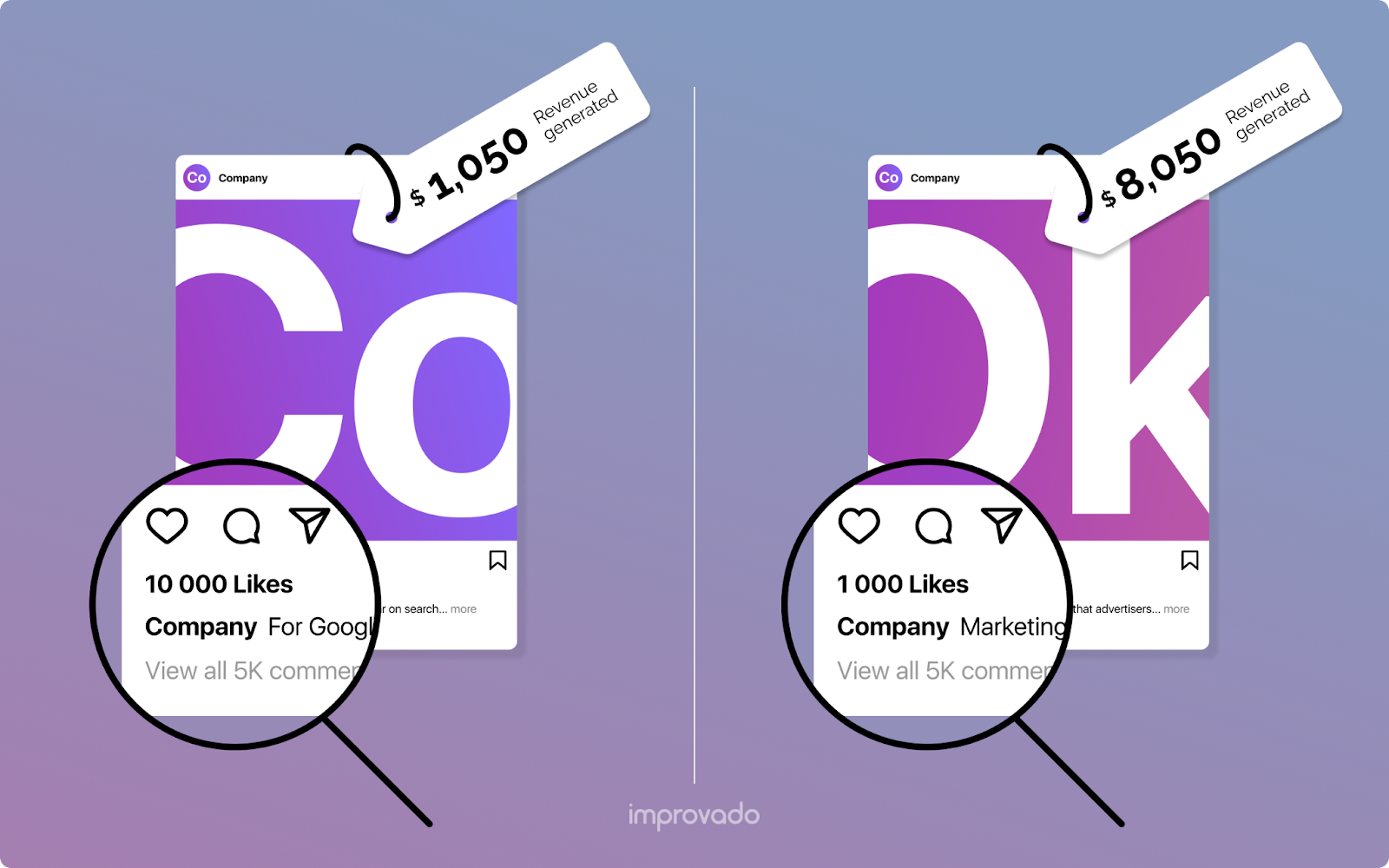
One of the biggest mistakes organizations make is celebrating numbers that have little impact on business growth. High website traffic, social media impressions, email opens, and content downloads may appear impressive, but they mean very little if they fail to produce qualified pipeline and revenue.
High-performing organizations redefine success by measuring outcomes that directly influence business performance. Effective B2B Lead Generation for Singapore requires complete visibility into the customer acquisition journey, from first interaction to closed deal.
Marketing Qualified Leads (MQLs) remain valuable, but they should never be viewed as the final objective. Businesses must carefully evaluate how many MQLs progress into Sales Qualified Leads (SQLs), how many enter the sales pipeline, and ultimately how many become paying customers. These conversion rates reveal far more about marketing effectiveness than raw lead volume alone.
Pipeline velocity is another critical performance indicator. Businesses should understand how quickly prospects move through each stage of the buying process and identify bottlenecks that delay purchasing decisions. Long sales cycles often indicate inconsistent messaging, insufficient nurturing, or poor qualification criteria.
Customer Acquisition Cost (CAC) and Customer Lifetime Value (CLV) provide additional insight into long-term profitability. A campaign generating expensive leads may still be highly successful if those customers produce significant recurring revenue over several years.
Revenue attribution has also become increasingly important. Organizations need accurate reporting that identifies which content, campaigns, advertising channels, webinars, or referral sources contribute to closed business. Without attribution, marketing investments become difficult to optimize.
Companies committed to improving B2B Lead Generation for Singapore continuously analyze data, refine qualification models, improve conversion rates, and eliminate friction throughout the buyer journey. Data should drive decisions—not assumptions or departmental opinions.

Future-Proof Your Growth Strategy with AI and Continuous Alignment
Artificial intelligence is rapidly transforming how B2B organizations identify prospects, personalize customer experiences, and accelerate sales performance. Companies that embrace AI strategically are not replacing their sales and marketing teams—they are empowering them with better insights, greater efficiency, and more intelligent decision-making.
AI-powered prospecting tools can analyze millions of data points to identify companies demonstrating buying intent before competitors even recognize the opportunity. Predictive analytics enables businesses to prioritize leads based on historical conversion patterns, allowing sales representatives to focus on accounts most likely to generate revenue.
Content personalization is another major competitive advantage. AI can recommend relevant articles, case studies, videos, or email sequences based on a prospect’s industry, role, company size, and online behavior. This creates highly relevant customer experiences that strengthen engagement while increasing trust throughout the buying journey.
Conversational AI also improves responsiveness. Intelligent chatbots can answer questions, qualify leads, schedule meetings, and route prospects to appropriate sales representatives around the clock. Rather than replacing human interaction, these technologies ensure prospects receive immediate assistance regardless of business hours.
However, technology alone cannot guarantee success. The companies leading B2B Lead Generation for Singapore combine AI capabilities with disciplined collaboration between sales and marketing. They continuously review customer feedback, update buyer personas, refine lead scoring models, and optimize campaign performance based on measurable business outcomes.
As Singapore’s B2B marketplace becomes increasingly competitive, organizations that invest in both technology and operational alignment will create significant barriers to entry for competitors. Their ability to deliver personalized, timely, and valuable customer experiences will become a defining advantage that drives sustainable long-term growth.
Conclusion: Sales and Marketing Alignment Is the Foundation of Predictable Revenue Growth
Generating leads has never been easier. Generating the right leads—and converting them into profitable customers—is where businesses separate themselves from the competition.
The most successful organizations understand that B2B Lead Generation for Singapore is no longer the responsibility of marketing alone. It is a company-wide strategy that requires sales, marketing, leadership, and technology to operate as a unified revenue engine. Every campaign should support sales conversations. Every sales interaction should reinforce marketing messages. Every customer insight should improve future campaigns.
Companies that embrace this alignment consistently experience higher-quality leads, shorter sales cycles, stronger customer relationships, and greater marketing ROI. They replace guesswork with measurable processes, disconnected teams with shared accountability, and inconsistent growth with predictable revenue generation.
As artificial intelligence, automation, and buyer expectations continue to evolve, businesses that prioritize collaboration will remain ahead of the market. Rather than chasing every new trend, they focus on creating exceptional customer journeys built on trust, expertise, and relevance.
The future belongs to organizations that recognize B2B Lead Generation for Singapore as more than a marketing tactic. It is a strategic business capability that aligns people, processes, and technology around a single objective: delivering the right message to the right buyer at the right time while creating sustainable, scalable revenue growth for years to come.
