
Driving Results: How to Build a B2B Lead Pipeline Across Asia
December 22, 2025 at 11:08 amB2B Lead Generation for Asia in 2025: What You Need to Stay Ahead
December 23, 2025 at 11:15 am

This Singapore-based tech firm was not struggling because of a weak product. Their solution was proven, competitively priced, and already trusted by existing clients. Yet, new business growth had plateaued. Leads were inconsistent. Sales cycles were dragging. Marketing activity was high, but outcomes were underwhelming. This is a familiar scenario for companies attempting B2B Lead Generation for Singapore without a cohesive strategy.
Their internal team was busy—publishing content, running ads, attending events—but busy did not mean effective. Website traffic looked respectable, but form submissions were low quality. Many leads lacked budget, authority, or urgency. Sales teams spent time chasing conversations that went nowhere, while real opportunities slipped through the cracks.
The Singapore B2B market is sophisticated. Buyers are well-informed, risk-aware, and selective. Generic messaging and surface-level tactics simply do not work. Effective B2B Lead Generation for Singapore requires clarity—about who you are targeting, what problem you solve, and why a prospect should act now.
The leadership team recognised that incremental tweaks would not solve a structural problem. They needed to rethink their entire lead generation engine, from targeting and messaging to follow-up and conversion. That decision marked the turning point from stagnant growth to measurable, scalable results.

The Hidden Problem: Why Leads Looked Good on Paper but Failed in Sales
At first glance, the firm’s lead numbers didn’t look terrible. Forms were being filled. Campaigns were generating clicks. But sales performance told a different story. This disconnect is one of the most common failures in B2B Lead Generation for Singapore—optimising for activity instead of intent.
The first issue was targeting. Campaigns were reaching a broad audience instead of zeroing in on real decision-makers. Junior roles, students, and non-buyers made up a significant portion of inbound leads. Traffic volume masked the fact that buyer intent was low.
The second issue was messaging. Content spoke in general benefits rather than addressing specific business pain points faced by Singapore-based B2B buyers—cost efficiency, scalability, compliance, and ROI accountability. Without relevance, interest faded quickly.
Finally, follow-up was slow and inconsistent. Leads waited hours—or days—for a response. In a competitive market like Singapore, delayed response is often the difference between winning and losing a deal. Strong B2B Lead Generation for Singapore depends on speed, relevance, and qualification.
The conclusion was clear: the problem wasn’t marketing effort. It was a broken system. Until the firm aligned targeting, messaging, and execution around buyer intent, lead quality would remain poor and growth would remain capped.
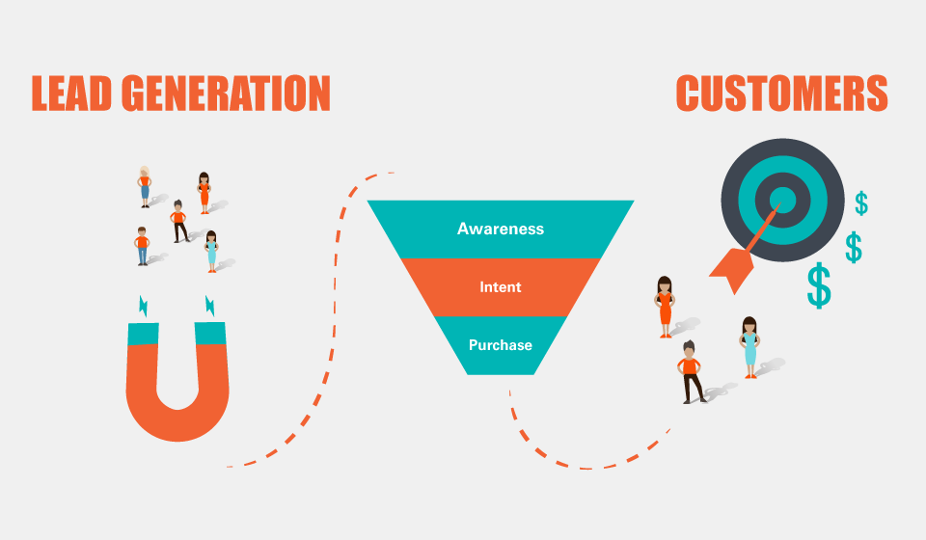
Resetting the Strategy: Building a Performance-First Lead Generation Framework
Instead of adding more channels, we removed distractions. Effective B2B Lead Generation for Singapore starts with focus, not volume. The first step was redefining the ideal customer profile with precision—industry, company size, revenue range, and decision-maker roles.
Next, we rebuilt messaging around outcomes rather than features. Every touchpoint answered one question: Why should a Singapore-based decision-maker care right now? This shift immediately increased engagement quality across channels.
We then aligned channels to buyer intent. SEO targeted high-intent, commercial keywords. LinkedIn campaigns focused exclusively on senior stakeholders. Paid ads were designed to qualify leads, not just attract clicks. Each channel had a defined role in the funnel.
Most importantly, we restructured the conversion journey. Landing pages were simplified. CTAs were aligned to buying stages. Automation was introduced to score, route, and respond to leads instantly. In modern B2B Lead Generation for Singapore, automation is not optional—it is essential.
This strategic reset transformed lead generation from a collection of tactics into a single, revenue-driven system.

Flawless Execution: Turning Strategy Into a Scalable Lead Engine
Strategy only works if execution is disciplined. Every campaign, page, and workflow was implemented with one goal: improve lead quality without increasing waste. SEO content addressed real objections. Ads filtered out low-intent users before they ever reached sales.
AI-powered workflows qualified leads in real time. High-intent prospects were contacted within minutes. Lower-intent leads entered nurturing sequences that educated them until they were sales-ready. This is how high-performing B2B Lead Generation for Singapore systems operate—fast, precise, and relentless.
Sales and marketing alignment was enforced through shared metrics and weekly optimisation cycles. Decisions were driven by pipeline data, not assumptions. What worked was scaled. What didn’t was cut.
The result was consistency—something most B2B firms never achieve.

The Outcome That Counts: 200% Growth in Qualified B2B Leads
Within 90 days, qualified leads increased by over 200%. Sales acceptance rates rose sharply. Cost per lead dropped. Deal velocity improved. More importantly, sales teams spent time on conversations that mattered.
This is the true benchmark of B2B Lead Generation for Singapore: leads that convert into revenue, not just reports.

The Real Drivers Behind the Growth Surge
Three factors drove success. First, intent-based targeting replaced volume chasing. Second, automation eliminated response delays. Third, continuous optimisation ensured results compounded over time.
Most companies fail at B2B Lead Generation for Singapore because they treat it as a campaign. Winners treat it as a system.
Conclusion
If your pipeline feels unpredictable, the issue is not effort—it’s structure. Sustainable B2B Lead Generation for Singapore requires clarity, discipline, and execution excellence.
The framework used here is repeatable. The opportunity already exists in your market. The only question is whether your system is built to capture it.
