

Is Your Business Losing Leads? Here’s How to Fix Your B2B Funnel in Singapore
December 11, 2025
LinkedIn Lead Generation for B2B in Singapore: A Step-by-Step Blueprint
December 12, 2025

Introduction: AI Content Generation – Transforming Singapore’s Digital Ecosystem
In an era defined by rapid technological advances, Singapore’s digital agencies are increasingly turning to AI Content Generation to gain a competitive edge. Businesses today are under immense pressure to produce high-quality content at scale, respond to audience demands in real-time, and maintain a consistent brand voice across multiple channels. Traditional content creation methods can no longer keep up with these demands, making AI-driven tools a crucial asset for agencies aiming to stay ahead of the curve.
AI Content Generation leverages sophisticated algorithms, natural language processing (NLP), and machine learning to create content ranging from blog posts and social media updates to video scripts and email campaigns. By automating repetitive writing tasks, agencies can allocate more time to strategic initiatives, campaign ideation, and client engagement. This is especially critical in Singapore, where digital marketing is highly competitive and constantly evolving.
The adoption of AI Content Generation also provides actionable insights through data-driven content strategies. Tools can analyze audience behavior, predict engagement patterns, and even suggest content themes optimized for local markets. For agencies, this means not just faster production but smarter, more impactful output.
As Singapore solidifies its position as a digital innovation hub in Asia, AI Content Generation is proving to be more than a technological trend—it is a transformative force shaping the future of marketing. With the right integration, agencies are no longer limited by human constraints and can deliver content that resonates with audiences at unprecedented speed and scale.
Explore more about AI Content Generation and how it is revolutionizing content strategies in Asia.
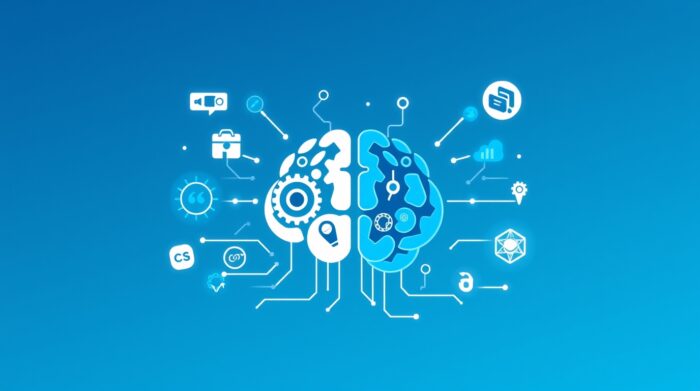
Understanding AI Content Generation: The Engine Behind Modern Marketing
AI Content Generation is not just a buzzword—it is the backbone of modern digital marketing. By combining machine learning, deep learning, and NLP, AI can produce human-like content that is coherent, contextually accurate, and tailored to specific audiences. Unlike simple automation, these tools are capable of analyzing patterns in large datasets and producing insights-driven content that aligns with brand objectives.
For Singapore’s agencies, the benefits are multifaceted. AI tools can generate blog articles, ad copy, social media posts, product descriptions, and even email sequences with minimal human input. This allows agencies to scale their campaigns quickly while maintaining a consistent voice. According to recent industry reports, businesses that adopt AI Content Generation see up to 40% faster content production cycles and significant improvements in engagement metrics.
Moreover, AI Content Generation supports multilingual content creation—a vital advantage in Singapore’s diverse market. With the ability to produce content in English, Mandarin, Malay, and Tamil, agencies can seamlessly reach different demographic groups without compromising quality. AI also assists in SEO optimization by recommending keywords, meta descriptions, and content structures that align with search trends.
Integrating AI Content Generation into content workflows allows agencies to transition from reactive marketing to proactive, data-driven campaigns. By leveraging AI analytics, agencies can predict trending topics, tailor messaging for target audiences, and optimize content delivery times to maximize impact.
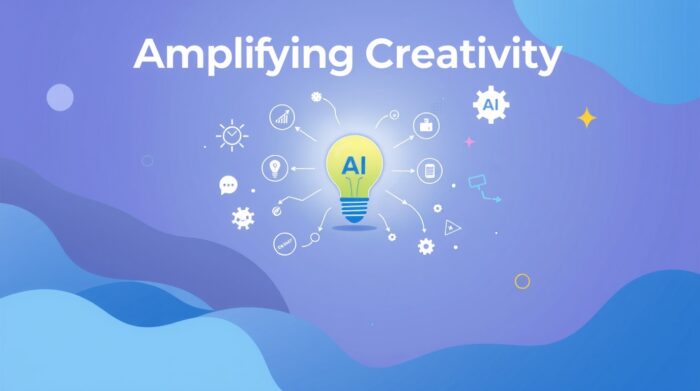
Amplifying Creativity: How AI Inspires Innovative Campaigns
While AI is often associated with efficiency, its true value lies in augmenting human creativity. Singapore’s digital agencies are increasingly using AI Content Generation as a co-creator, generating fresh ideas, headlines, story arcs, and social media campaigns that push creative boundaries.
AI tools can quickly produce multiple variations of content, allowing creative teams to test, refine, and select the most engaging versions. For example, a single AI-assisted brainstorming session can generate dozens of potential ad concepts, freeing human teams to focus on strategy and storytelling. This collaborative approach ensures campaigns are both innovative and data-backed.
Beyond ideation, AI Content Generation enhances content personalization. By analyzing audience preferences, sentiment, and engagement history, AI can recommend content formats and themes that resonate on a deeper level. Agencies can then create targeted campaigns for diverse customer segments, improving conversion rates and ROI.
Moreover, AI-powered tools assist with trend forecasting, highlighting emerging topics and cultural moments relevant to the Singaporean market. This foresight enables agencies to produce timely and highly relevant content, positioning brands as thought leaders and trendsetters.
For agencies looking to elevate their creative output while maintaining strategic alignment, AI Content Generation is becoming an indispensable tool for inspiration, efficiency, and innovation.

Driving Efficiency and Scaling Operations with AI
Efficiency is the cornerstone of any successful digital agency, and AI Content Generation delivers it in spades. Agencies no longer need to rely solely on human writers for every piece of content; AI can handle repetitive and time-intensive tasks such as social media posts, product descriptions, or content localization.
This operational efficiency translates into faster campaign rollouts and lower production costs. For Singapore-based agencies working with multinational clients, AI Content Generation can produce high-quality content at scale, ensuring consistency across multiple markets and channels. Tasks that once took days can now be completed in hours, without compromising quality.
AI tools also integrate seamlessly with project management platforms, allowing agencies to automate workflow tracking, deadlines, and revisions. This minimizes errors and accelerates content approval cycles, freeing teams to focus on strategy, analytics, and creative problem-solving.
Beyond time savings, AI Content Generation provides actionable insights, helping agencies identify which topics resonate most with audiences and which formats drive higher engagement. By optimizing both creation and distribution, AI empowers agencies to scale campaigns without sacrificing personalization or relevance.

Case Studies: Singapore Agencies Leading the AI Revolution
Several Singapore-based digital agencies have already embraced AI Content Generation, achieving remarkable results. One agency used AI to automate social media content for multiple clients, resulting in a 50% reduction in production time while maintaining engagement rates. Another leveraged AI for SEO-driven blog content, doubling organic traffic within six months.
AI’s adaptability also benefits niche sectors. For instance, e-commerce brands in Singapore are using AI Content Generation to produce personalized product descriptions that boost conversion rates and enhance customer experience. Similarly, B2B agencies are deploying AI to create high-value thought leadership content, ensuring their clients stay relevant in competitive markets.
These case studies demonstrate that AI Content Generation is not a replacement for human creativity but an augmentation that drives measurable results. Agencies leveraging AI can respond faster to market trends, scale content production, and maintain high-quality standards—all essential for thriving in Singapore’s fast-paced digital ecosystem.

Overcoming Challenges: Ethical and Strategic Considerations
While AI Content Generation offers transformative benefits, agencies must navigate several challenges. Ethical considerations, such as content originality, bias, and transparency, are critical. Agencies must ensure AI-generated content aligns with brand values and adheres to local regulations, including Singapore’s advertising standards.
Additionally, AI tools require proper integration into existing workflows. Teams must be trained to work alongside AI, leveraging its strengths without losing the human touch that ensures creativity and authenticity. Overreliance on AI may result in generic content that lacks emotional resonance, so maintaining a balance between automation and human input is essential.
Data privacy is another concern. AI tools often require access to client data to personalize content effectively. Agencies must implement robust data governance practices to protect sensitive information and comply with Singapore’s Personal Data Protection Act (PDPA).
Despite these challenges, the strategic advantages of AI Content Generation—scalability, efficiency, and insight-driven creativity—make it a compelling investment. Agencies that adopt best practices can mitigate risks while fully harnessing AI’s potential.
Conclusion: The Future of AI-Driven Digital Agencies in Singapore
The digital marketing landscape in Singapore is evolving at an unprecedented pace, and AI Content Generation sits at the heart of this transformation. Agencies leveraging AI are no longer confined by traditional content limitations—they can innovate faster, produce higher volumes of content, and create hyper-personalized campaigns that resonate with diverse audiences.
Looking forward, AI will continue to evolve, incorporating advanced analytics, real-time personalization, and even more sophisticated creative capabilities. Singapore’s digital agencies that embrace AI Content Generation today will set the standard for efficiency, creativity, and strategic insight in the region.
Ultimately, AI Content Generation is not merely a technological trend—it is a strategic enabler that empowers agencies to thrive in a hyper-competitive market. By integrating AI thoughtfully, agencies can deliver smarter, faster, and more impactful content, securing a leadership position in Singapore’s digital ecosystem.