

A Step-by-Step Framework for Implementing AI Content Tools in Singapore
April 9, 2026 at 8:09 pm

Singapore’s digital market moves fast. Campaign cycles are shorter, competition is tighter, and audiences expect content everywhere at once — search, social, LinkedIn, EDMs, landing pages, and paid ads. The problem isn’t ideas. It’s production capacity. Most teams simply cannot keep up with the demand without burning resources or sacrificing quality.
This is where AI Content Generation Singapore shifts from experiment to infrastructure. Businesses are no longer asking whether AI can help. They are asking how to scale responsibly without losing brand voice, compliance alignment, or strategic clarity. The modern content engine in Singapore must produce consistently, localize intelligently, and iterate rapidly — all while staying aligned with business outcomes.
The reality is that traditional content workflows were never designed for this level of demand. Manual ideation, linear approvals, and fragmented tools slow everything down. AI Content Generation Singapore enables parallel production — multiple content formats created simultaneously, optimized for different audiences, and deployed across channels without delay.
Organizations adopting AI Content Generation Singapore are seeing a shift from campaign-based production to always-on content ecosystems. Instead of creating content reactively, teams begin building content pipelines. Topics are clustered. Assets are modular. Outputs are repurposed. Performance data informs the next cycle.
Scaling content in Singapore is no longer about hiring more writers. It’s about building a smarter system. The brands that win are those that treat AI Content Generation Singapore as a strategic production layer — not just a writing tool — and design their workflows around velocity, consistency, and measurable growth.

Building an AI-First Content Production Architecture
Scaling content requires more than plugging AI into existing workflows. It demands a structural shift. The most effective Singapore teams build AI-first production architecture designed around speed, repeatability, and controlled automation. This means defining clear content pillars, mapping output formats, and aligning AI workflows to business priorities.
With AI Content Generation Singapore, content creation moves from ad-hoc execution to structured pipelines. Instead of producing one blog at a time, teams generate clusters — pillar pages, supporting articles, LinkedIn posts, short-form scripts, and email campaigns — all from a single strategic brief. This multiplies output without multiplying effort.
An AI-first architecture also introduces prompt libraries and brand training layers. These ensure that AI Content Generation Singapore outputs remain consistent across tone, messaging, and positioning. The result is scalable production that still feels cohesive and intentional.
Singapore’s multilingual and multicultural audience makes this even more valuable. AI frameworks allow teams to generate localized variations, adapt messaging for different industries, and create audience-specific content streams. AI Content Generation Singapore becomes a translation layer between strategy and execution.
The shift also transforms team roles. Writers evolve into editors. Strategists focus on direction instead of drafting. Marketers oversee performance instead of chasing deadlines. This is the operational advantage created by AI Content Generation Singapore — content production becomes a system, not a bottleneck.

Designing High-Volume AI Content Pipelines That Actually Scale
Scaling content isn’t about generating more articles. It’s about building pipelines that continuously produce, distribute, and optimize. High-performing Singapore teams use structured AI pipelines to maintain output without sacrificing relevance or quality.
The foundation begins with topic clustering. Instead of isolated pieces, AI Content Generation Singapore enables teams to generate interconnected content ecosystems. A single pillar topic expands into supporting blogs, LinkedIn posts, thought leadership angles, EDM campaigns, and short-form video scripts. This multiplies reach while reinforcing authority.
Next comes batching. Teams generate multiple outlines, drafts, and variations simultaneously. AI Content Generation Singapore removes the linear bottleneck and replaces it with parallel production. Content calendars fill faster, campaigns launch sooner, and experimentation increases.
Repurposing becomes automated rather than manual. One long-form article becomes multiple assets — social snippets, ad copy, newsletters, and carousel posts. AI Content Generation Singapore ensures each format maintains messaging consistency while adapting tone and structure for the platform.
Distribution is also embedded into the pipeline. Instead of creating content first and planning later, AI Content Generation Singapore workflows generate channel-ready outputs immediately. This shortens the gap between creation and performance.
The result is a production engine. Content flows continuously. Topics evolve based on data. Teams shift from reactive publishing to proactive scaling. This is how Singapore businesses move from content creation to content dominance.
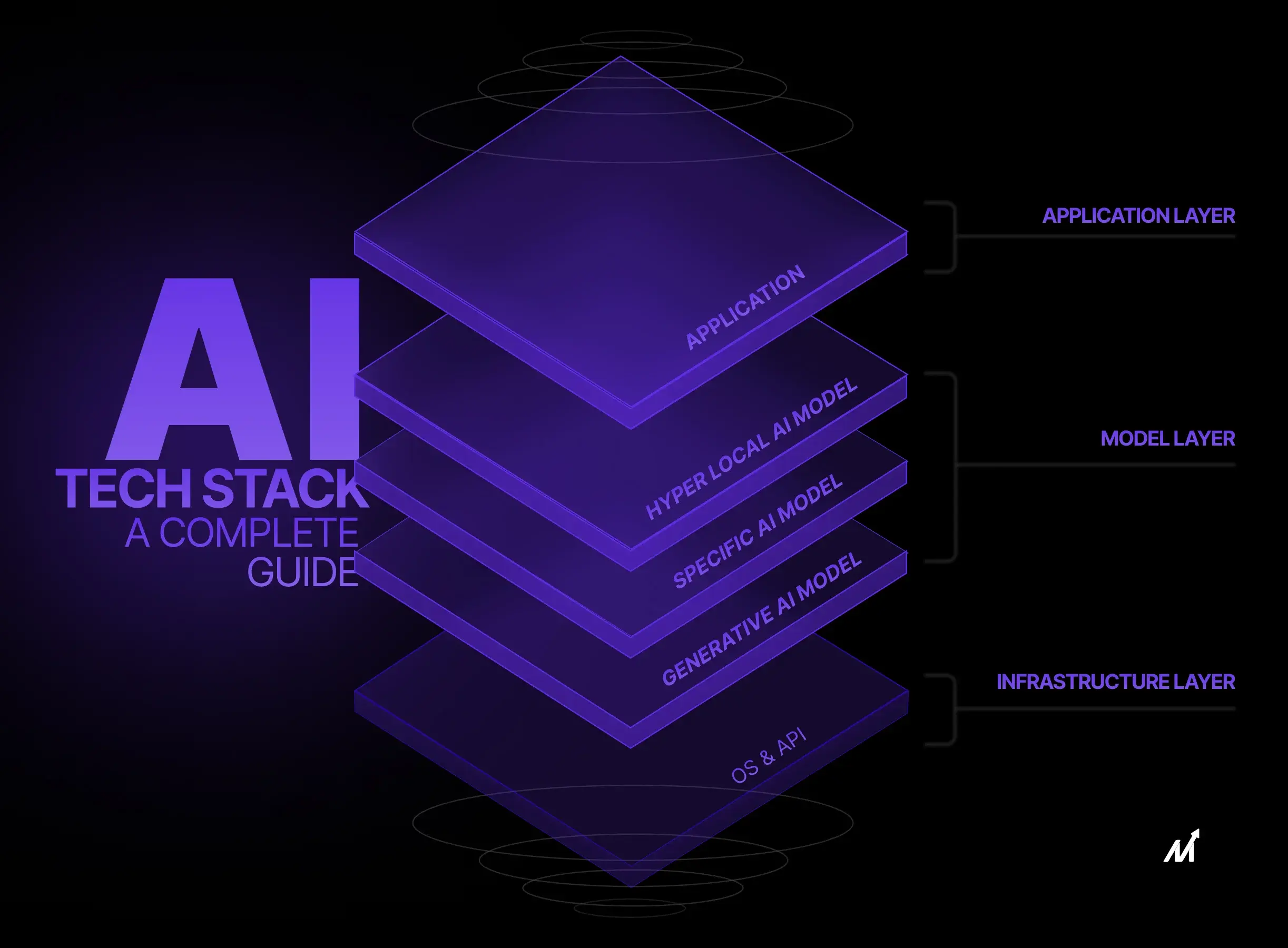
The AI Stack Powering Scalable Content Operations
Technology selection matters. Not all AI tools are built for scale. Singapore organizations that successfully scale content rely on integrated stacks rather than isolated solutions. The goal is to connect ideation, creation, optimization, and distribution into one continuous workflow.
At the core sits AI Content Generation Singapore for structured content drafting. Around it are SEO intelligence tools, workflow automation platforms, and analytics dashboards. Together, they create a production environment where content is generated, refined, and deployed seamlessly.
AI image and video tools expand output formats. Instead of limiting campaigns to text, AI Content Generation Singapore workflows extend into visual content — thumbnails, infographics, social creatives, and short-form videos. This multiplies engagement across channels.
Automation tools handle scheduling and approvals. Content no longer sits idle waiting for manual processes. AI Content Generation Singapore integrates into publishing calendars, ensuring continuous deployment.
Governance tools maintain consistency. Brand tone, terminology, and compliance requirements remain intact even at scale. This is critical in Singapore’s regulated industries. AI Content Generation Singapore becomes both a creative and control layer.
The right AI stack doesn’t just accelerate production. It transforms how teams collaborate, measure, and scale. Content stops being fragmented. It becomes operational.

Automating Content Workflows for Continuous Production
Automation is the turning point. Without it, AI still requires heavy manual coordination. With automation, content production becomes continuous. Singapore teams implementing automated workflows see immediate improvements in speed, consistency, and campaign execution.
Using AI Content Generation Singapore, content calendars can be generated weeks in advance. Topics are mapped, drafts are created, and variations are prepared automatically. This reduces planning friction and enables proactive campaigns.
Approval workflows also accelerate. Instead of reviewing from scratch, teams refine AI-generated drafts. AI Content Generation Singapore shortens feedback loops and keeps production moving.
Repurposing automation is another key advantage. One blog automatically expands into multiple formats. AI Content Generation Singapore ensures consistent messaging while adapting to each platform’s requirements.
Publishing automation removes operational delays. Content flows directly into CMS platforms, social schedulers, and email systems. AI Content Generation Singapore becomes the backbone of always-on marketing.
The outcome is predictable output. Teams no longer scramble to fill calendars. Content is produced continuously, optimized continuously, and scaled continuously.

Measuring Performance Across Scaled AI Content
Scaling content without measurement creates noise. The real advantage of AI-driven production is the ability to test, learn, and iterate at speed. Singapore teams leveraging AI Content Generation Singapore gain access to performance insights across large content volumes.
Instead of relying on a few pieces, organizations test multiple angles simultaneously. Headlines, formats, and messaging variations compete. AI Content Generation Singapore enables rapid experimentation.
Key metrics expand beyond traffic. Engagement depth, conversion rate, pipeline impact, and content ROI become measurable. With AI Content Generation Singapore, data informs future production decisions.
High-performing topics are identified and scaled. Low-performing content is refined or retired. This iterative loop turns content into a performance engine rather than a static asset.
Singapore’s competitive market rewards speed and adaptability. AI Content Generation Singapore allows teams to pivot quickly, doubling down on what works.
Scaling content isn’t just about producing more. It’s about producing smarter. Measurement is what turns AI content into growth.
Conclusion
AI-driven content production is no longer experimental. It is becoming the operational backbone of modern marketing teams. Singapore businesses that adopt early gain structural advantages — faster campaigns, stronger SEO presence, and consistent brand visibility.
With AI Content Generation Singapore, content production evolves into a strategic capability. Teams move from reactive execution to proactive scaling. Campaigns become continuous. Messaging becomes cohesive. Performance improves.
The next phase is deeper integration. AI connects with CRM systems, marketing automation platforms, and analytics dashboards. AI Content Generation Singapore becomes embedded across the marketing lifecycle.
Human oversight remains critical. Strategy, positioning, and narrative direction still require expertise. AI accelerates execution but does not replace judgment. The strongest Singapore brands combine both.
Scaling content is no longer about producing more posts. It’s about building a system that continuously generates visibility, authority, and demand. AI Content Generation Singapore is the blueprint.
