

SEO for B2B Companies in Singapore: How to Build Organic Pipeline That Compounds
June 3, 2026 at 11:50 am
B2B Content Marketing in Singapore: How to Build a Content Engine That Drives Pipeline
June 4, 2026 at 9:28 am

Asia’s B2B landscape is evolving at a relentless pace. Markets are becoming more competitive, buyer journeys are getting increasingly complex, and the expectations surrounding content quality have never been higher. What worked five years ago—occasional blog posts, generic email campaigns, and templated brochures—simply no longer moves the needle.
Today, content is no longer a supporting asset. It has become the frontline of trust, authority, and lead generation.
B2B companies across Asia are beginning to realize that scaling content manually is becoming unsustainable. Marketing teams are expected to publish faster, rank higher on search engines, nurture leads consistently, and support sales teams with high-value materials. Yet resources remain limited. Teams are often stretched thin, balancing multiple campaigns while trying to maintain quality.
This is exactly why AI Content Generation Singapore is becoming a critical strategy for B2B organizations looking to scale intelligently. Instead of relying solely on manual production, businesses are integrating AI-powered systems to streamline research, ideation, content drafting, SEO optimization, and audience personalization.
However, there is an important distinction to make. AI is not replacing strategic thinking. It is amplifying it.
The strongest B2B brands are not using AI to flood the internet with low-quality content. They are using it to create more targeted, more relevant, and more valuable experiences for prospects. AI allows marketers to focus less on repetitive production work and more on strategic messaging, customer insights, and business growth.
Across Asia, especially among forward-thinking enterprises, the shift is clear. The companies that embrace scalable content ecosystems will gain momentum, while those resisting change risk becoming invisible in crowded digital markets. In a world where attention is expensive and trust takes time to earn, content velocity paired with quality is becoming the new competitive advantage.

B2B Content Teams Are Overwhelmed: Why Smart Companies Are Turning to AI
Modern B2B content teams are operating under enormous pressure. Leadership wants faster growth. Sales departments need better enablement materials. SEO teams demand consistent publishing schedules. Buyers expect personalized experiences at every touchpoint.
The result is often burnout, bottlenecks, and inconsistency.
Creating quality B2B content is not easy. A single article can take days of research, writing, editing, optimization, and approvals. Multiply that effort across LinkedIn posts, email campaigns, landing pages, sales decks, newsletters, whitepapers, and lead magnets, and the operational burden becomes obvious.
This growing challenge explains why AI Content Generation Singapore is rapidly gaining traction among businesses seeking efficiency without sacrificing quality.
AI-driven workflows help marketing teams produce more content in less time while maintaining consistency across channels. Rather than starting from scratch every time, teams can use AI to accelerate brainstorming, organize information, generate first drafts, improve SEO performance, and repurpose existing assets into multiple formats.
One of the greatest advantages for Asian B2B companies lies in localization. Asia is not one market—it is a collection of highly diverse audiences with different business cultures, languages, and communication styles. Messaging that works in Singapore may fail in Vietnam, Indonesia, or Thailand.
AI tools help bridge that gap by making localized content production significantly more efficient. Businesses can tailor messaging for different audiences while maintaining a consistent brand voice.
Yet there is a trap companies must avoid. Automation without oversight creates generic, forgettable content. Successful organizations understand that AI works best when paired with human expertise. Technology handles speed. Humans provide context, judgment, and strategic direction.
Businesses investing in AI Content Generation Singapore are not simply adopting a tool. They are building a smarter, more resilient content engine for long-term B2B growth.
Not All AI Tools Are Equal: What B2B Teams Must Demand Before Choosing
The AI software market is crowded with bold promises. Every platform claims to write faster, automate better, and transform productivity overnight. Yet experienced B2B marketers know one truth: speed means nothing if content quality suffers.
Choosing the right AI tool requires more than hype.
First, businesses must evaluate content quality. B2B buyers are sophisticated decision-makers. Thin, robotic, or generic messaging damages credibility rather than strengthens it. Strong AI systems should produce thoughtful, well-structured, and contextually relevant outputs that support trust-building rather than undermine it.
This is one reason why many organizations exploring AI Content Generation Singapore prioritize systems capable of supporting long-form, authority-driven content strategies.
SEO functionality is equally important. Exceptional content has little value if nobody finds it. AI tools should assist with keyword planning, semantic optimization, topic clustering, metadata generation, and search intent alignment.
Collaboration features also matter. Most B2B marketing teams work across multiple departments. Content often requires input from leadership, sales, technical experts, and compliance teams. A useful AI solution should support approvals, revisions, and collaborative workflows without creating confusion.
Localization capability is another essential consideration for Asian markets. Cultural nuance matters. Messaging needs to resonate authentically with different audiences while remaining aligned with brand standards.
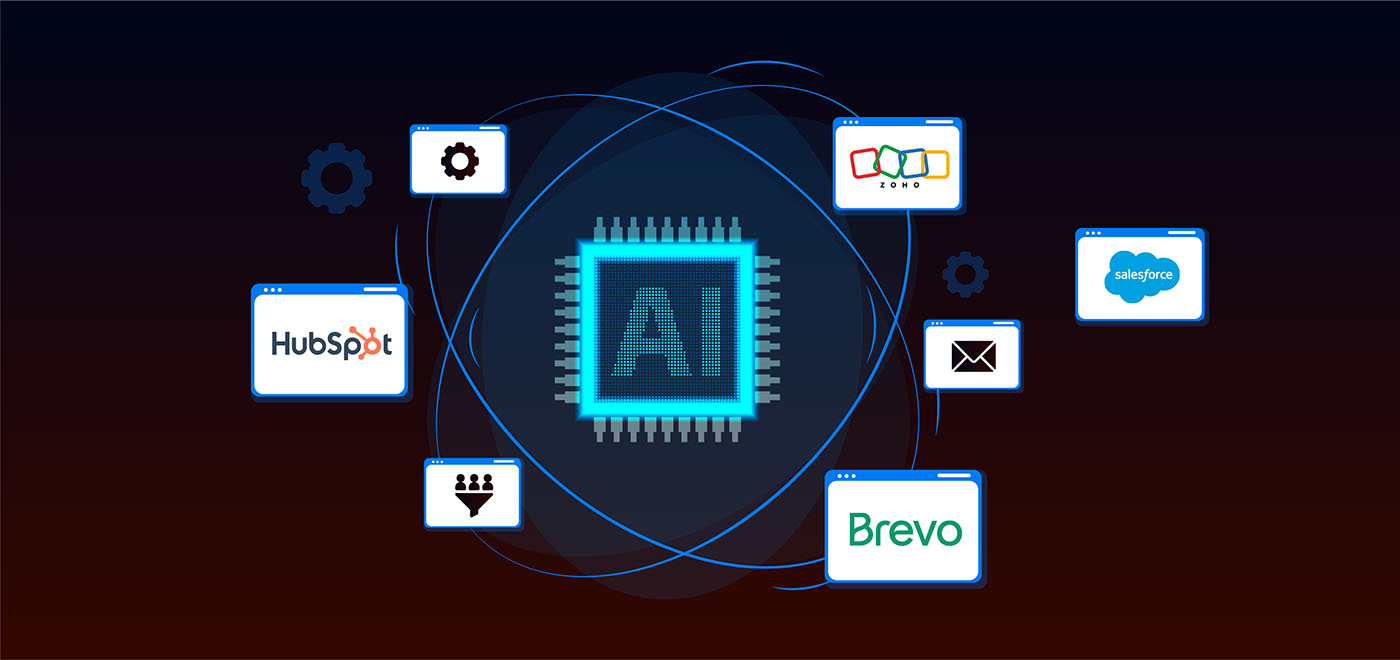
Finally, integration should never be overlooked. The strongest AI platforms fit naturally into existing ecosystems such as CRM systems, CMS platforms, analytics dashboards, and marketing automation tools.
The future of B2B content will not belong to companies producing the most content. It will belong to those producing the most relevant content at scale. That is why businesses embracing AI Content Generation Singapore are increasingly positioning themselves ahead of slower-moving competitors.

The Best AI Tools Reshaping B2B Content Teams in Asia
The explosion of AI platforms has created both opportunity and confusion for B2B marketers. Every week, a new platform promises faster workflows, better copy, smarter automation, and stronger ROI. But the reality is simple: not every AI tool deserves a place in a serious B2B content operation.
The best tools are not necessarily the flashiest. They are the ones that solve real operational problems.
For content ideation and long-form drafting, many B2B teams rely on AI writing assistants that can accelerate blog creation, thought leadership articles, and marketing campaigns. Instead of staring at a blank screen, marketers can rapidly generate structured outlines, first drafts, and SEO-driven content frameworks.
SEO optimization tools are equally critical. Ranking on search engines requires more than inserting keywords into an article. Teams need help identifying search intent, content gaps, competitor opportunities, and semantic keyword relevance. AI-assisted SEO platforms help content teams create articles designed not only to inform but also to rank.
For enterprise organizations, governance matters. Brand voice consistency, compliance approval, and content accuracy become increasingly important as operations scale. Enterprise AI writing tools help marketing teams maintain structure and quality across departments without losing control over messaging.
This growing demand explains why businesses increasingly turn toward AI Content Generation Singapore to create smarter content ecosystems. Instead of depending on disconnected workflows, companies are building integrated systems where ideation, drafting, optimization, and distribution happen faster and more strategically.
Collaboration platforms powered by AI are also changing how teams work. Marketers, sales teams, and executives can align messaging more effectively without endless revision cycles.
The truth is, there is no perfect AI tool. The right stack depends on business goals, team size, content volume, and growth priorities. Companies that succeed are not chasing trends—they are building systems designed to compound value over time.

Stop Guessing: How to Build an AI-Powered B2B Content Workflow That Actually Works
Many businesses adopt AI with excitement, only to hit a wall weeks later. Why? Because they mistake tools for strategy.
Buying AI software does not automatically solve content problems. Without a clear workflow, even powerful tools become expensive distractions.
The strongest B2B teams follow a structured process.
It begins with research. Content should start with understanding audience pain points, market trends, keyword opportunities, and buyer intent. AI can accelerate research by organizing insights and surfacing opportunities faster than traditional methods.
Next comes ideation. Rather than brainstorming endlessly, teams use AI to generate topic clusters, headline angles, campaign ideas, and supporting content themes. This allows marketers to focus energy on refinement rather than creation from scratch.
Drafting becomes dramatically faster when AI assists with structure and first-pass writing. Instead of spending days building foundational content, marketers can focus on improving messaging, sharpening insights, and strengthening positioning.
This is where AI Content Generation Singapore plays an increasingly important role in helping B2B companies scale intelligently. AI transforms content from a slow manual process into a repeatable system.
SEO optimization follows next. Strong content should be discoverable, not invisible. AI can assist with semantic keywords, readability, metadata, search intent alignment, and competitive analysis.
But perhaps the most important stage is human editing.
AI-generated drafts should never be treated as finished products. Skilled marketers must inject expertise, nuance, industry knowledge, and brand personality into every asset. Readers can quickly detect shallow content. Trust is earned through quality.
The businesses seeing the greatest returns from AI Content Generation Singapore understand something important: AI is most powerful when combined with strong systems, experienced marketers, and disciplined execution.

The Hidden Mistakes B2B Teams Make With AI Content—And How to Avoid Them
AI offers extraordinary leverage, but it also creates dangerous shortcuts. Many businesses rush into automation believing volume alone will drive results. Then months later, they wonder why engagement remains low, leads stagnate, and rankings fail to improve.
The problem is rarely the technology.
The problem is execution.
One of the biggest mistakes companies make is publishing AI content without human review. AI can produce impressive drafts quickly, but speed does not equal authority. Generic, repetitive, or factually weak content damages trust rather than builds it. B2B buyers are experienced decision-makers who expect expertise, not recycled fluff.
Another common mistake is ignoring localization. Asia is incredibly diverse. Messaging that resonates with Singaporean executives may feel disconnected or ineffective in other markets. Companies leveraging AI Content Generation Singapore effectively understand the importance of adapting tone, context, and messaging for different audiences.
Weak prompting is another hidden issue. Poor inputs create poor outputs. Teams often expect excellent content from vague instructions, then blame the technology when results disappoint. AI works best when guided with strategic clarity.
Over-automation also creates problems. Businesses sometimes remove human judgment entirely, relying on AI for every stage of the content lifecycle. This often results in bland, forgettable messaging lacking originality or authority.
Finally, many teams forget the purpose of content itself. Traffic means little without conversion. SEO matters, but relevance matters more. Content should educate, persuade, and nurture trust throughout the buyer journey.
The companies winning with AI Content Generation Singapore are not the ones publishing the most content. They are the ones combining automation with insight, discipline, and strong editorial standards.
Conclusion
B2B content marketing is entering a new era. Speed matters. Relevance matters. Scale matters. But above all, trust still matters most.
AI is fundamentally reshaping how businesses create content, yet success will never come from automation alone. The strongest companies understand that AI is not a replacement for expertise—it is a multiplier for it.
Forward-thinking businesses are already investing in scalable systems that help teams move faster without sacrificing quality. They are using AI to shorten research cycles, improve SEO performance, localize messaging, repurpose content, and strengthen customer engagement.
This is exactly why AI Content Generation Singapore continues to gain momentum among B2B organizations looking to build sustainable marketing engines.
The future will belong to businesses capable of balancing technology with strategic thinking. Companies that automate recklessly may produce more content, but quantity without relevance quickly becomes noise. Meanwhile, businesses using AI with precision will build stronger authority, deeper trust, and more efficient growth systems.
Choosing the right AI content stack ultimately comes down to clarity. What are your goals? Do you want better SEO visibility? Faster production? Stronger thought leadership? Better lead nurturing?
The answer determines the tools, workflows, and systems your team should prioritize.
One thing is becoming increasingly clear across Asia: the era of slow, manual, fragmented content operations is fading. Companies embracing AI Content Generation Singapore are positioning themselves to compete smarter, create faster, and grow stronger in an increasingly crowded digital marketplace.
The companies that adapt early will not just survive this shift. They will define the future of B2B marketing in Asia.
