

Intent Data for B2B Singapore: How to Reach Your Buyers Before Your Competitors Do
May 29, 2026 at 10:55 am
Account-Based Marketing (ABM) Singapore: How B2B Companies Are Winning High-Value Accounts in 2026
June 2, 2026 at 10:55 am

Content teams across Asia are exhausted. Marketing leaders are trapped in a cycle of endless creation, constantly chasing algorithms, trends, and platform demands while struggling to maintain consistency. One week it is blogs. The next week it is videos, newsletters, LinkedIn posts, TikTok scripts, email campaigns, and SEO landing pages. The machine never stops. Yet most brands are still operating with an outdated mindset: create once, publish once, move on.
That approach is expensive, inefficient, and quietly eroding marketing ROI.
The reality is simple. Most businesses are sitting on content goldmines without realizing it. A single well-structured article can become ten, fifteen, or even twenty strategic assets when approached with the right framework. This is where AI Content Generation Singapore is changing the game for brands across Asia. Instead of treating content like disposable inventory, businesses are beginning to engineer ecosystems around one strong content pillar.
A single article discussing AI trends can evolve into LinkedIn thought leadership, short-form video scripts, email sequences, infographic breakdowns, social media snippets, webinar talking points, and search-optimized micro-content. Smart companies are no longer creating more. They are extracting more from what they already have.
In Asia’s fiercely competitive markets, attention is expensive. Creating endless content manually is no longer sustainable. Businesses that understand leverage will outperform those obsessed with volume. The brands winning today are not necessarily louder. They are simply more strategic, more efficient, and more relentless in how they distribute value.
Content is no longer about publishing. It is about multiplication.
Stop Writing for the Graveyard: Why One-and-Done Content Is Killing ROI
Most brands unknowingly bury their best content.
They spend weeks planning an article, paying writers, approving edits, optimizing SEO, and designing visuals—only to publish it once and abandon it. That single blog post receives a few clicks, gets shared briefly, and quietly disappears into the digital graveyard. Months of effort reduced to one short lifespan.
That is not content strategy. That is waste.
Modern marketing requires durability. Every strong piece of content should function as an asset with multiple lives. One article should become a month-long distribution engine. This is where AI Content Generation Singapore gives brands a tactical advantage. Instead of constantly reinventing the wheel, businesses can transform one strong idea into an ecosystem of high-performing assets.
Consider this. A 2,000-word article can become five LinkedIn posts, ten quote graphics, three short-form videos, one downloadable guide, an email sequence, and a podcast discussion outline. Suddenly, one investment becomes ten opportunities to earn visibility.
The problem is not that companies lack content. The problem is they lack systems.
Too many businesses mistake activity for progress. More content does not always mean more results. In many cases, it simply means more chaos. The smartest marketing leaders understand something many overlook: consistency beats intensity.
Repurposing allows businesses to stay visible without burning resources. It also strengthens brand recall because audiences encounter the same core message across multiple touchpoints.
The future belongs to brands that stop treating content as a one-time expense and start treating it like an appreciating asset.
One Strong Article Can Become a Content Empire
Every scalable content strategy begins with one powerful pillar.
Not a rushed blog stuffed with keywords. Not generic filler content written for the sake of publishing. A real pillar article—deep, insightful, valuable, and structured for repurposing.
This foundation matters because weak content cannot be multiplied effectively. If the source material lacks clarity or value, every spin-off asset will inherit the same weakness.
This is why businesses investing in AI Content Generation Singapore focus heavily on pillar content architecture. Strong articles are built with repurposing in mind from day one.
A high-performing pillar article contains clear insights, digestible sections, memorable statistics, bold opinions, actionable takeaways, and compelling narratives. Every section becomes reusable fuel for different platforms.
For example, one subsection discussing content automation can become a LinkedIn thought piece. A bold statistic can become an Instagram carousel. A short argument can transform into a TikTok hook. A practical framework becomes an email newsletter.
This is how one article becomes ten assets without sacrificing quality.
Too often, marketers think repurposing means recycling. It does not.
Repurposing means translating one core idea into multiple formats tailored to audience behavior. LinkedIn audiences think differently than TikTok users. Newsletter subscribers consume differently than search visitors. Smart brands adapt messaging while preserving the same strategic core.
The article is not the finish line.
It is the raw material.
Businesses that understand this stop chasing endless content production and start building content ecosystems that compound over time.
The 10-Asset Formula: How Smart Brands Stretch One Idea Further
A single article can become an entire content engine if approached correctly.
Here is what that transformation often looks like.
One blog article becomes:
- 3–5 LinkedIn thought leadership posts
- 5 short-form TikTok or Reels scripts
- 1 email newsletter
- 1 infographic summary
- Multiple social media quote graphics
- X/Twitter threads
- YouTube Shorts concepts
- SEO microblogs
- Webinar discussion points
- Sales enablement materials
Suddenly, one article has multiplied into ten strategic assets.
This is where AI Content Generation Singapore becomes indispensable. AI drastically shortens production cycles while preserving momentum. What once required weeks can now happen in days—or hours.
But there is an important distinction here.
AI is not the strategist.
AI is the amplifier.
Many businesses make the mistake of asking AI to replace thinking. That shortcut almost always creates generic, forgettable content. The best-performing brands use AI differently. They begin with human insight, market expertise, and clear messaging, then use technology to accelerate execution.
Human strategy determines direction. AI increases speed.
One idea. Multiple touchpoints. Exponential impact.
Why Localization Is the Hidden Weapon in Asian Content Marketing
Asia is not one market.
This mistake costs businesses millions in wasted campaigns.
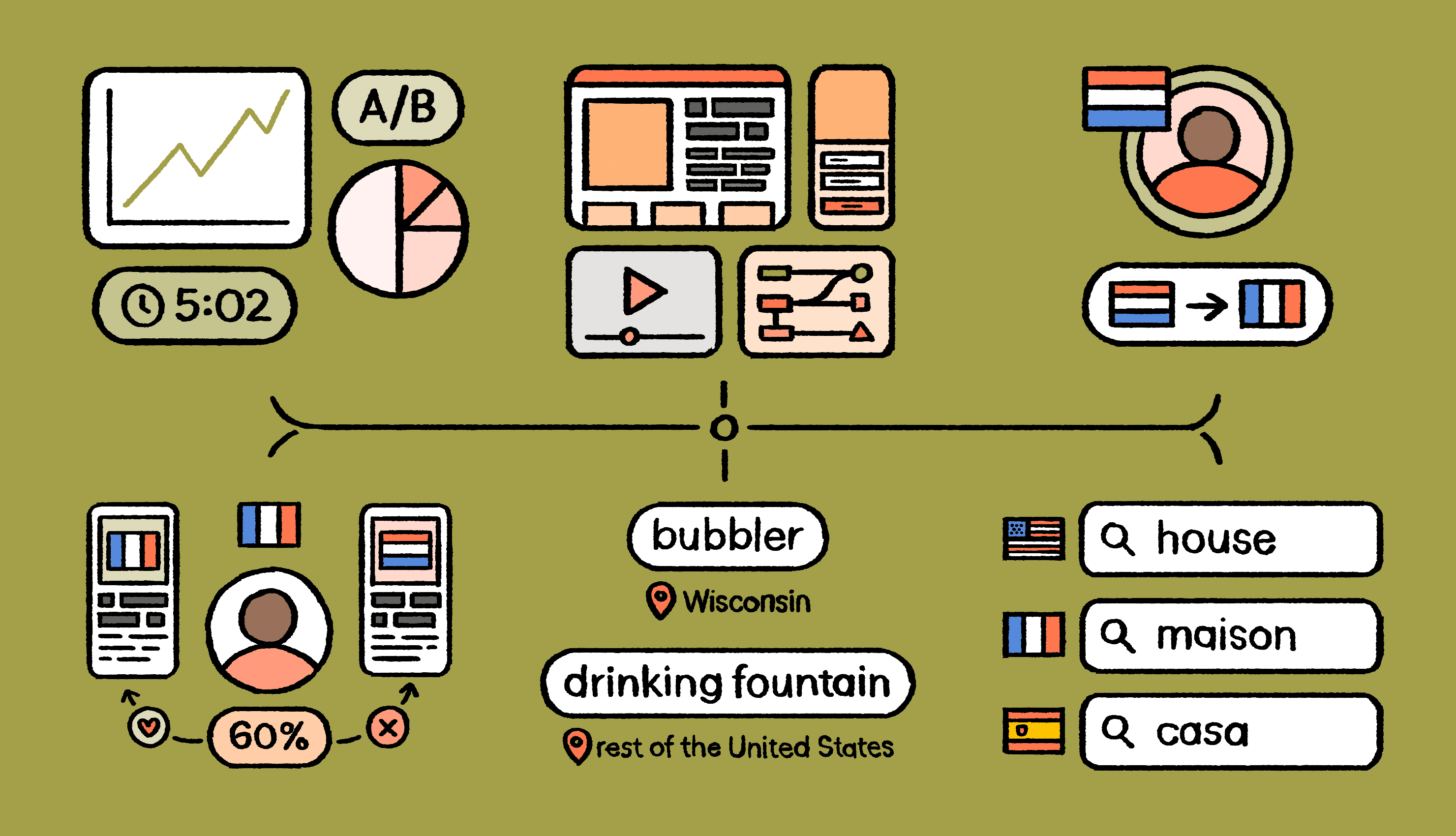
What works in Singapore may fail in Indonesia. Messaging that resonates in Malaysia may feel disconnected in the Philippines. Tone, humor, buying behavior, and cultural expectations shift dramatically across borders.
Repurposing content without localization is simply mass production disguised as strategy.
This is where AI Content Generation Singapore creates an edge. AI enables businesses to adapt messaging faster while maintaining consistency.
Imagine one article about digital transformation.
For Singapore audiences, the angle may focus on efficiency, enterprise growth, and competitiveness. In the Philippines, messaging may lean toward affordability, accessibility, and operational resilience. Indonesia may prioritize scalability and mobile-first experiences.
Same idea.
Different execution.
That distinction matters.
Localization is not translation. It is adaptation.
The strongest brands understand that people respond to relevance, not repetition. They reshape examples, narratives, references, and emotional triggers to fit regional expectations.
Content that feels local builds trust faster.
The brands that dominate Asia will not necessarily have the biggest budgets.
They will have the deepest understanding of context.
And context always wins.

The Silent Mistakes Brands Make When Repurposing Content
Most businesses understand repurposing in theory.
Very few execute it properly.
The biggest mistake is copy-paste distribution. A LinkedIn audience is not the same as a TikTok audience. A newsletter reader is not the same as a search user. Each platform demands a different structure, hook, and delivery style.
Another mistake is over-automation.
Yes, AI Content Generation Singapore speeds up production, but speed without judgment creates noise. Content becomes generic, repetitive, and forgettable when strategy is missing.
Then there is inconsistency.
Many brands publish aggressively for a short burst, then disappear. Repurposing only works when it is sustained. Visibility compounds through repetition, not one-off effort.
Another overlooked issue is ignoring performance data. Not all repurposed assets perform equally. Smart teams track what works—hooks, formats, topics, and platforms—and double down on what drives engagement.
Without measurement, repurposing becomes guesswork.
And finally, many brands underestimate repetition. Audiences do not see everything you post. Seeing the same idea across different formats is not redundancy—it is reinforcement.
The real problem is not lack of content.
It is lack of system.
Conclusion: Stop Creating More and Start Multiplying Smarter
Content marketing in Asia is shifting from production-heavy to system-driven execution.
Brands no longer win by creating the most content. They win by extracting the most value from every piece they produce. One strong article should not end as a single blog post. It should become the foundation of a content ecosystem.
This is the real advantage of AI Content Generation Singapore.
It allows businesses to scale output without scaling chaos. One idea can power ten assets. One insight can fuel weeks of distribution. One article can generate sustained visibility across multiple platforms.
The shift is already happening.
Companies that continue treating content as one-time output will fall behind. Those that build repurposing systems will compound their reach, authority, and efficiency over time.
The future is not more content.
It is smarter content multiplication.
