

B2B Lead Generation in Singapore: The Definitive Playbook for Marketing Managers
May 21, 2026 at 8:35 am
Marketing Automation for SMEs in Singapore: How to Scale Lead Generation Without Growing Your Team
May 22, 2026 at 4:57 pm

Across Asia, content demand is no longer rising—it is exploding. Brands are under pressure to publish more blogs, social content, videos, email campaigns, landing pages, and thought leadership pieces faster than ever before. Markets are moving quickly. Attention spans are shrinking. Competition is becoming ruthless. The uncomfortable truth? Businesses still relying on purely manual content systems are slowly losing ground.
This is where AI Content Generation Singapore is shifting from an experimental advantage into a business necessity.
Yet many organizations misunderstand what this actually means. They assume AI exists to replace writers, strategists, or marketers. That thinking misses the point entirely. AI is not the replacement. It is the amplifier.
The companies gaining momentum in Asia are not choosing between humans or machines. They are learning how to combine both. AI accelerates ideation, drafting, research synthesis, and scaling. Human expertise shapes messaging, nuance, emotional intelligence, and strategic clarity. Together, they create a system that moves faster without sounding robotic.
Asian markets demand contextual understanding. What works in Singapore may not resonate in Malaysia. What performs in Hong Kong can fail in Indonesia. Tone, cultural nuance, language preference, and buyer expectations differ significantly across the region. This is precisely why a strong AI Content Generation Singapore framework cannot depend on automation alone.
Speed without wisdom creates noise.
The brands that will dominate visibility over the next five years are not necessarily those producing the most content. They will be the ones producing the smartest content at scale—content engineered for trust, relevance, and discoverability.
In Asia’s rapidly evolving digital economy, standing still is not neutral. It is decline. A strategic AI Content Generation Singapore process is quickly becoming the foundation of modern brand visibility.

The Real Problem With Pure AI Content
When Automation Speaks Without Judgment, Audiences Notice
AI can generate content in seconds. That is both its greatest strength and its greatest danger.
The internet is already crowded with generic articles written by businesses chasing speed over substance. Many brands embraced automation too quickly and discovered something uncomfortable: publishing more content does not automatically create trust, rankings, or leads.
Readers can sense when content lacks depth. Search engines are becoming increasingly skilled at identifying thin, repetitive, low-value material. More importantly, customers notice when a brand sounds empty.
The issue is not AI itself. The issue is relying on AI without editorial discipline.
Purely automated content often misses emotional nuance, audience psychology, and contextual understanding. In Asia, where buying behavior differs widely between regions and cultures, generic messaging becomes even riskier. A business targeting enterprise decision-makers in Singapore requires very different messaging from a startup audience in Vietnam or Thailand.
This is why businesses investing in AI Content Generation Singapore are increasingly prioritizing editorial systems rather than simply purchasing AI tools.
Tools do not create authority. Processes do.
An AI draft may give structure and speed, but humans still need to challenge assumptions, verify accuracy, sharpen positioning, and align messaging with actual customer pain points. Without this layer, content begins sounding predictable—filled with recycled insights and shallow observations.
There is another risk brands rarely discuss: sameness.
When companies depend entirely on similar prompts and similar AI systems, their content starts blending into the same digital wallpaper. Everyone sounds alike. Everyone says the same things. Nobody becomes memorable.
A mature AI Content Generation Singapore strategy recognizes an important truth: efficiency matters, but differentiation matters more.
Because content that moves fast but says nothing meaningful eventually becomes invisible.
What a Human + AI Editorial Process Actually Looks Like
The Hybrid System That Separates Strategic Brands From Content Factories
The strongest content teams today are not replacing humans with AI. They are redesigning workflows around collaboration.
A successful editorial system begins with human thinking—not machine output.
Step one is strategy. Humans identify audience pain points, commercial intent, content opportunities, SEO priorities, and brand positioning. AI can assist with research, but it cannot replace business intuition or market understanding.
Step two is AI acceleration.
This is where AI Content Generation Singapore becomes powerful. AI can rapidly generate article structures, summarize research, brainstorm headline angles, create first drafts, and repurpose content across multiple channels. Tasks that once consumed entire workdays can now happen within hours.
But the real transformation happens during step three: editorial refinement.
This is where experienced marketers step in. Weak arguments are removed. Generic phrasing is sharpened. Messaging becomes more persuasive. Brand tone is reinforced. Claims are fact-checked. Local market context is introduced.
Humans inject judgment.
A good editor understands what AI cannot: emotional resonance.
The fourth stage involves optimization. Keywords are naturally incorporated. Search intent is aligned. Internal linking structures are strengthened. Metadata is refined. The goal is not just publishing content—it is engineering discoverability.
Finally comes quality control.
A strong AI Content Generation Singapore workflow never publishes without review. Accuracy, clarity, originality, readability, and strategic alignment are all validated before content goes live.
This hybrid process changes everything.
Instead of overworked teams drowning in deadlines, businesses gain scalable content systems. Instead of robotic messaging, they maintain authenticity. Instead of sacrificing quality for speed, they achieve both.
The future does not belong to fully human or fully automated content.
It belongs to teams intelligent enough to combine both.
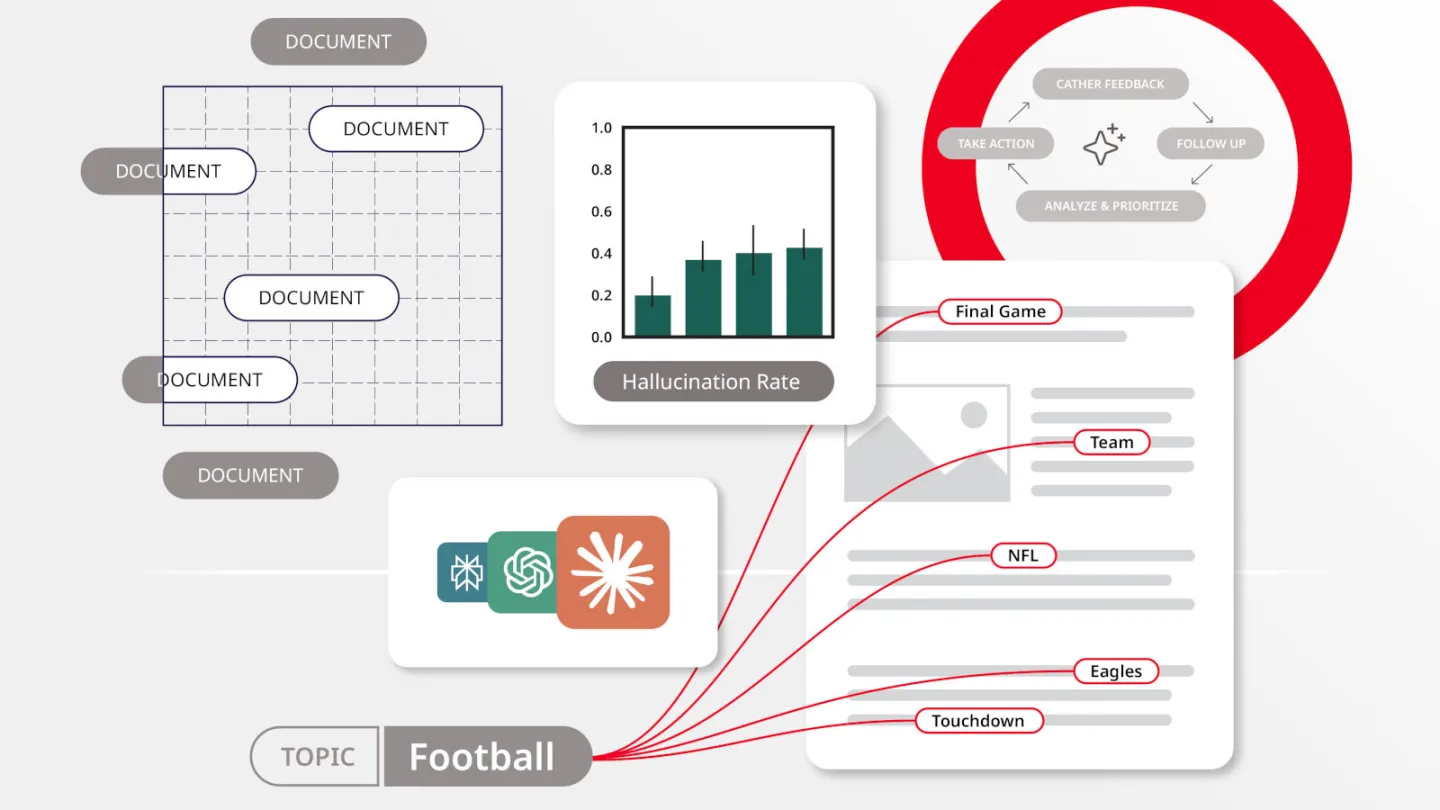
The Winning AI Content Workflow for Asia-Based Brands
Scale Without Losing Trust: The Editorial Machine That Actually Works
Many brands believe content problems are solved by hiring more writers or buying another AI tool. In reality, the issue is rarely manpower. It is workflow design.
Without a structured system, content becomes chaotic. Teams scramble for ideas. Messaging becomes inconsistent. Deadlines pile up. Quality suffers.
The brands succeeding with AI Content Generation Singapore are operating with a disciplined editorial framework built for scale.
It starts with audience intelligence.
Before any article is written, successful teams identify search intent, customer pain points, and buying motivations. What are prospects searching for? What problems keep them awake at night? What objections stop conversions? AI can help surface patterns, but humans interpret meaning.
Then comes content mapping.
Instead of publishing random articles, winning brands build topic ecosystems. Pillar content, supporting blogs, videos, social snippets, and email sequences work together strategically. A single piece of content becomes multiple assets.
This is where AI Content Generation Singapore creates leverage. AI dramatically shortens production cycles. One long-form article can be transformed into LinkedIn posts, short videos, ad copy, newsletters, and sales enablement materials in a fraction of the time.
But speed alone is dangerous.
Human editors remain essential for contextual refinement. Asia is not one audience—it is many markets layered with different expectations, business cultures, and communication styles. Content must feel relevant, not mass-produced.
The final layer is governance.
Smart brands establish editorial rules: tone guidelines, SEO standards, fact-checking processes, and approval systems. This ensures consistency regardless of who writes the content.
A powerful AI Content Generation Singapore process does not create more noise.
It creates strategic consistency.
And consistency, more than bursts of creativity, is what compounds visibility over time.
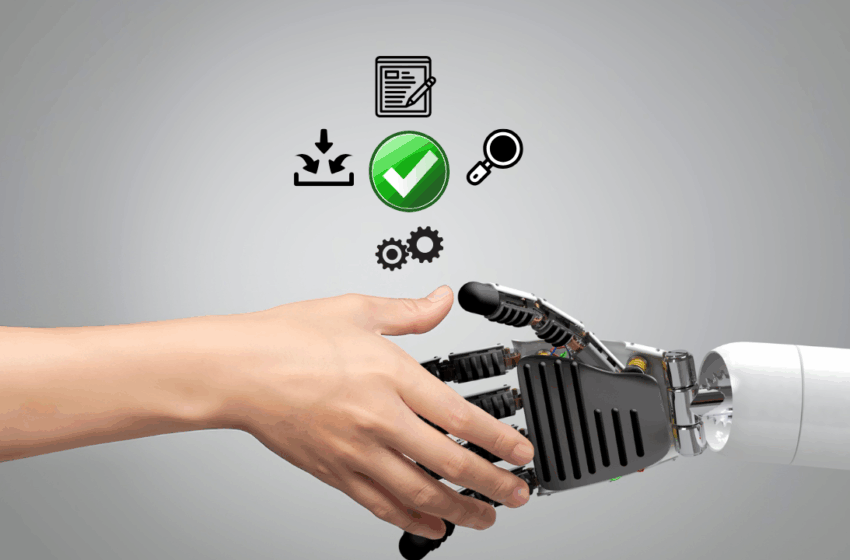
Tools That Support an Effective AI Editorial Process
Technology Alone Will Not Save You—But the Right Stack Changes Everything
Many businesses obsess over finding the perfect AI tool. They believe software alone will solve weak content performance.
It will not.
Technology is only useful when attached to a thoughtful process.
Still, the right ecosystem matters. Brands adopting AI Content Generation Singapore effectively often build a layered content stack designed for speed, quality, and strategic oversight.
The first layer is ideation and drafting.
AI writing tools help generate content frameworks, brainstorm angles, rewrite messaging, and accelerate production. Instead of staring at blank pages, teams begin with strong working drafts that reduce friction.
The second layer focuses on SEO intelligence.
Search optimization tools help identify keyword gaps, analyze competitors, evaluate search intent, and structure content for discoverability. Publishing content without SEO is like building a shop in the desert and hoping people somehow arrive.
Third comes quality control.
Fact-checking tools, plagiarism detection, readability assessments, and editorial reviews protect content standards. AI moves quickly, but speed can introduce inaccuracies. Businesses serious about credibility never skip verification.
Localization also matters.
Asia contains diverse markets with different linguistic and cultural expectations. Translation and contextual adaptation tools support regional relevance, but human editors remain necessary to preserve nuance.
Finally, workflow systems tie everything together.
Content calendars, approval processes, and collaboration tools prevent bottlenecks and confusion. A scalable operation needs visibility, accountability, and structure.
This is why mature AI Content Generation Singapore strategies are not built around a single tool.
They are built around systems.
Because sustainable growth rarely comes from hacks. It comes from repeatable frameworks executed consistently over time.
The technology matters.
But the editorial discipline behind the technology matters more.

Case Study: What Happens When Human Expertise Meets AI Efficiency
From Content Bottlenecks to Strategic Momentum
Imagine a company producing only two blogs per month because internal teams are overwhelmed. Deadlines slip. SEO stagnates. Campaigns lack supporting content. Marketing becomes reactive instead of proactive.
This scenario is painfully common across Asia.
The turning point often comes when businesses adopt a structured AI Content Generation Singapore model powered by both automation and human expertise.
Before implementation, content teams typically face the same problems: inconsistent publishing schedules, weak organic visibility, slow approval cycles, and repetitive messaging. Writers spend too much time drafting from scratch. Marketing leaders struggle to scale output without sacrificing quality.
Then the workflow changes.
AI accelerates research, outlines, and draft creation. What previously required days can happen within hours. Teams suddenly gain breathing room.
But the real gains appear when editors take control.
Humans refine arguments, strengthen positioning, align content with audience psychology, and sharpen clarity. Instead of robotic content flooding websites, brands begin publishing material that feels authoritative and relevant.
Results often become visible quickly.
Publishing frequency improves. Search visibility expands. Internal teams operate faster. Lead generation becomes more consistent because content aligns more closely with buyer intent.
Perhaps most importantly, brand trust increases.
Customers rarely care whether AI assisted in content creation. What they care about is whether the content solves problems, offers insight, and feels credible.
This is the deeper promise behind AI Content Generation Singapore.
It is not simply about producing more.
It is about creating better systems that make quality scalable.
Businesses trapped in manual workflows eventually hit limits.
Businesses that intelligently combine human judgment with AI efficiency begin compounding results.
Conclusion: The Future of AI Content Generation in Asia Is Hybrid
The Smartest Brands Will Not Choose Humans or AI—They Will Master Both
The conversation around AI often becomes unnecessarily extreme.
Some believe AI will replace marketers entirely. Others dismiss it as overhyped automation incapable of producing meaningful results.
Reality sits somewhere in the middle.
The strongest content strategies emerging across Asia are hybrid. They recognize that machines excel at speed while humans excel at wisdom.
AI can accelerate ideation, shorten research cycles, and scale production dramatically. Humans provide judgment, emotional intelligence, cultural nuance, and strategic thinking.
Together, they create something far more powerful than either could achieve alone.
This is why AI Content Generation Singapore is increasingly becoming a competitive advantage for brands seeking sustainable growth. Companies that embrace intelligent workflows are publishing more consistently, improving search visibility, and building stronger digital authority.
But there is a warning worth remembering.
Content volume alone does not create influence.
The internet already has enough shallow articles, recycled opinions, and generic noise. Winning brands will not simply produce more content. They will produce more meaningful content.
That difference matters.
Because trust compounds slowly—but once earned, it becomes difficult to replace.
A mature AI Content Generation Singapore process does not eliminate the human role. It elevates it. Instead of drowning in repetitive tasks, teams gain space to focus on insight, storytelling, and strategic differentiation.
The future of content in Asia will not belong to businesses resisting AI.
Nor will it belong to businesses blindly automating everything.
It will belong to those disciplined enough to combine human expertise with machine efficiency—and wise enough to know when each matters most.
