

AI Content Generation Singapore: AI Tools Comparison for Marketers
July 10, 2026 at 9:05 pm
B2B Lead Generation for Singapore: Industry Benchmarks and KPIs
July 14, 2026 at 7:17 pm

Marketing teams are under constant pressure to produce more content than ever before. Businesses need blog articles, LinkedIn posts, email newsletters, videos, short-form social media clips, landing pages, case studies, and SEO content—often all within the same campaign. Unfortunately, creating every asset from scratch is expensive, time-consuming, and difficult to scale. This is where AI Content Generation Singapore is transforming how modern businesses approach content marketing.
Instead of treating every marketing asset as a separate project, leading organizations now create one authoritative piece of content and intelligently repurpose it across multiple channels. A single webinar can become several blog posts, dozens of LinkedIn updates, email campaigns, YouTube Shorts, TikTok videos, infographics, and downloadable guides. Rather than multiplying workloads, AI multiplies the value of existing content.
The shift is especially important for businesses operating in Singapore’s competitive digital economy. Buyers no longer interact with brands through a single touchpoint. They discover businesses on Google, validate expertise on LinkedIn, watch educational videos on YouTube, browse social media, subscribe to newsletters, and compare vendors before ever speaking with sales. Maintaining visibility across all these platforms requires a consistent publishing strategy that many marketing teams struggle to sustain manually.
This is why AI Content Generation Singapore has become more than a productivity tool—it has evolved into a strategic growth engine. AI enables businesses to produce high-quality content at scale while maintaining consistency in messaging, tone, and branding. Instead of replacing marketers, AI removes repetitive production work so creative teams can focus on strategy, storytelling, and customer engagement.
Businesses that embrace AI-powered content workflows also gain a significant competitive advantage. They respond faster to industry trends, publish more consistently, improve SEO performance, and remain visible throughout the customer journey. Every piece of content becomes a long-term business asset rather than a one-time publication.
The companies winning today are not necessarily creating more ideas—they are maximizing every idea through intelligent content repurposing. That philosophy lies at the heart of a modern AI Content Generation Singapore strategy.
Build Once, Publish Everywhere: The AI Content Generation Workflow That Scales
Traditional content marketing often follows an inefficient cycle. A team writes a blog, publishes it once, shares it on social media, and then moves on to the next topic. While this approach produces content, it rarely maximizes the return on the time and resources invested. Modern AI-powered workflows take a completely different approach by treating every piece of content as the foundation for an entire marketing ecosystem.
A successful workflow begins with a single “pillar” asset. This could be a comprehensive blog article, a podcast episode, a customer success story, a webinar, or an educational video. Instead of stopping there, AI analyzes the material, identifies the key themes, extracts valuable insights, and automatically generates multiple content variations tailored to different platforms.
For example, one in-depth article can be transformed into several LinkedIn thought leadership posts, engaging Facebook updates, Instagram carousel captions, YouTube video scripts, TikTok educational clips, email newsletters, downloadable checklists, FAQ pages, and search-optimized landing pages. With AI Content Generation Singapore, marketers dramatically reduce production time while significantly increasing their overall content output.
Automation also improves consistency. Every channel communicates the same core message while adapting the format to suit audience expectations. LinkedIn readers may prefer data-driven insights, while TikTok users respond better to concise educational videos. Email subscribers often appreciate actionable advice, whereas search engine visitors seek detailed answers to specific questions. AI makes these adjustments automatically without compromising the original message.
This workflow also strengthens SEO. Search engines reward websites that consistently publish relevant, authoritative, and interconnected content. By repurposing pillar content into supporting articles, topic clusters, and complementary landing pages, businesses build greater topical authority and improve their organic visibility.
Perhaps the greatest advantage of AI Content Generation Singapore is scalability. Whether a marketing team consists of two people or two hundred, AI enables them to execute enterprise-level content strategies without proportionally increasing costs. Instead of constantly chasing new ideas, marketers maximize the lifetime value of every existing piece of content, creating a more efficient and sustainable marketing operation.

Transform Every Piece of Content into a Revenue-Generating Marketing Asset
Many organizations still think of content as individual deliverables. A blog is just a blog. A webinar ends when the presentation finishes. A podcast episode is published once and gradually fades into obscurity. This mindset leaves tremendous marketing value untapped. Every piece of content contains multiple insights that can educate prospects, build trust, improve search visibility, and generate qualified leads—if those insights are strategically repurposed.
This is where AI Content Generation Singapore delivers measurable business impact. AI identifies the strongest ideas within a long-form asset and converts them into formats designed for different audiences and buying stages.
For instance, a comprehensive blog article can become a LinkedIn article discussing industry trends, several short LinkedIn posts highlighting statistics, an infographic summarizing the key takeaways, a series of educational emails, a downloadable guide, and multiple short-form videos for TikTok, Instagram Reels, and YouTube Shorts. A webinar can generate blog posts, FAQ pages, social media quotes, presentation slides, and executive summaries for decision-makers. Customer testimonials can be transformed into case studies, website trust signals, sales enablement materials, and engaging video stories.
Repurposing also allows businesses to address different learning preferences. Some audiences prefer reading detailed articles, while others absorb information through videos, graphics, or podcasts. AI enables brands to meet customers where they are without recreating the same content repeatedly.
Another significant benefit is maintaining a consistent brand voice. Whether customers encounter a business through Google Search, LinkedIn, email, or YouTube, they receive the same strategic message tailored to the platform. This consistency strengthens brand recognition and builds credibility throughout the buyer journey.
Ultimately, successful content marketing is no longer measured by how much content a company produces. It is measured by how effectively that content reaches, educates, and converts potential customers. Businesses that leverage AI Content Generation Singapore understand that one exceptional idea can fuel weeks or even months of high-performing marketing campaigns across every major digital channel.
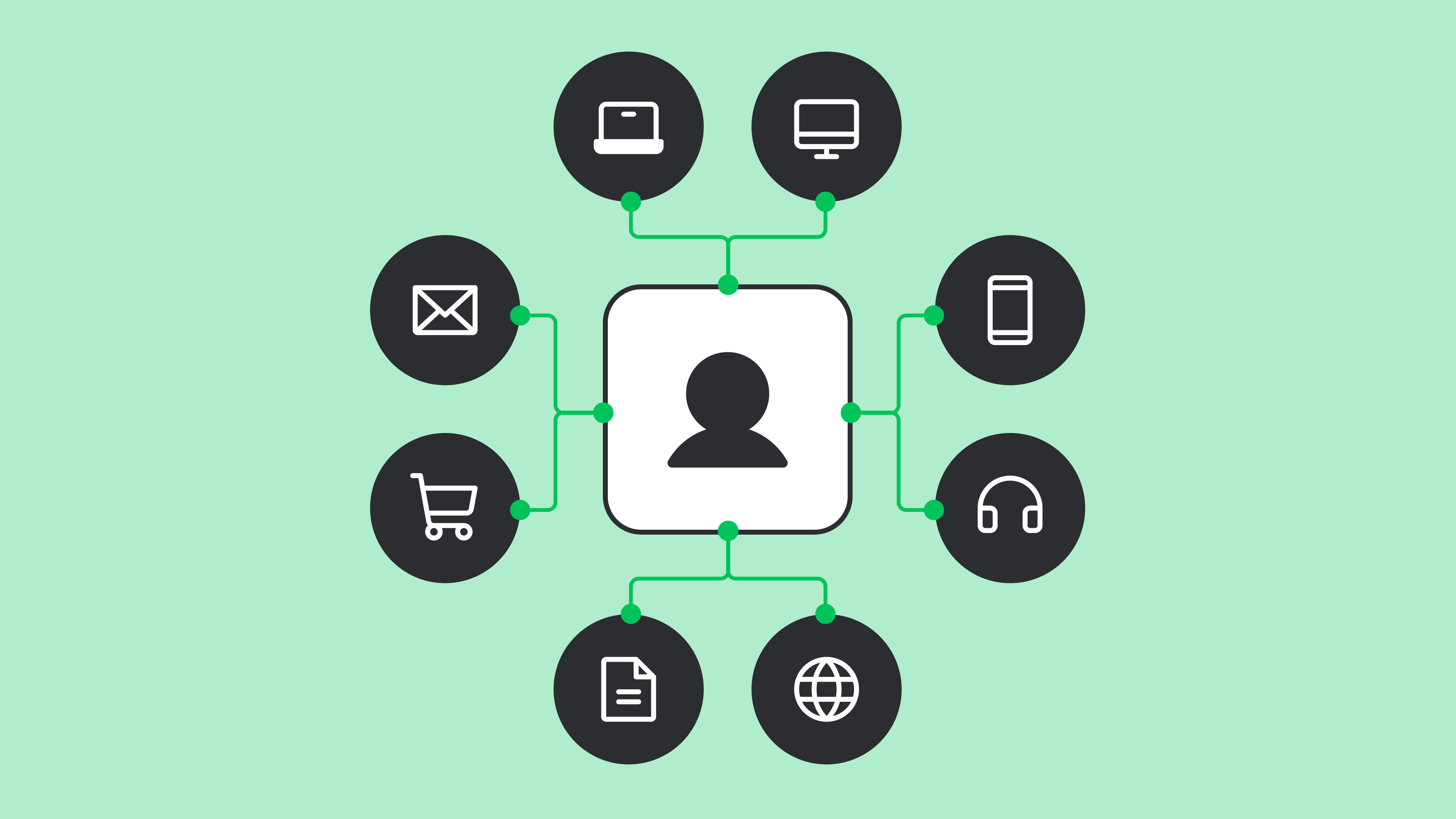
Multi-Channel Content Distribution: Reach Buyers Wherever They Are
Creating exceptional content is only half the battle. Even the most insightful article or compelling video will struggle to generate results if it fails to reach the right audience at the right moment. Modern buyers no longer follow a linear purchasing journey. They may discover your brand through a Google search, read your insights on LinkedIn during lunch, watch one of your videos on YouTube after work, and finally respond to an email campaign weeks later. Every interaction contributes to building trust, making strategic content distribution just as important as content creation.
This is where AI Content Generation Singapore becomes a competitive advantage. Rather than manually publishing content across multiple platforms, AI enables businesses to automate scheduling, optimize posting times, adapt messaging for each platform, and maintain a consistent brand presence without overwhelming marketing teams.
A strong multi-channel framework starts with your website, which should serve as the central content hub. Long-form blogs, resource pages, case studies, and landing pages establish topical authority while strengthening SEO. Each new article should support a broader content cluster, helping search engines recognize your expertise and improving rankings for high-value commercial keywords.
From there, AI repurposes the same content into platform-specific formats. LinkedIn becomes the destination for executive thought leadership, industry analysis, and professional discussions. Facebook supports community engagement, customer updates, and event promotion. Instagram focuses on visual storytelling through carousel posts, infographics, and short educational videos. TikTok delivers concise educational clips designed to capture attention quickly, while YouTube hosts more comprehensive tutorials, webinars, interviews, and customer success stories.
Email marketing remains one of the highest-performing channels because it allows businesses to nurture prospects over time. AI can segment subscribers according to interests, buying stage, previous engagement, and industry, ensuring every recipient receives highly relevant content instead of generic newsletters.
Google Business Profile also plays a valuable role for businesses targeting local markets in Singapore. Regular updates, announcements, FAQs, and customer success stories improve local visibility while reinforcing credibility among nearby prospects searching for solutions.
Automation connects every channel into one cohesive ecosystem. A newly published blog can automatically trigger social media posts, email newsletters, internal website links, downloadable resources, and sales enablement materials. Marketing teams spend less time on repetitive publishing tasks and more time refining strategy, testing new ideas, and engaging with customers.
The greatest strength of AI Content Generation Singapore lies in maintaining momentum. Consistent publishing across multiple channels keeps your brand visible throughout the buyer’s journey, ensuring prospects encounter your expertise repeatedly before making purchasing decisions. Instead of isolated campaigns that quickly fade, businesses create an always-on marketing engine that compounds results over time.

One Message, Multiple Audiences: AI-Powered Content Personalization That Converts
Personalization has become one of the defining characteristics of successful marketing. Modern decision-makers expect content that speaks directly to their responsibilities, challenges, and business objectives. Generic messaging rarely captures attention because different stakeholders evaluate the same solution from completely different perspectives. A CEO focuses on business growth and profitability, while a Marketing Director prioritizes lead generation, a Sales Manager values conversion rates, and an HR leader seeks operational efficiency. Delivering the same message to every audience limits engagement and weakens overall campaign performance.
This is where AI Content Generation Singapore transforms a single content asset into personalized experiences without requiring marketers to start from scratch each time.
AI begins by analyzing the intent behind the original content and identifying the most relevant themes for different customer personas. For executive leaders, it emphasizes strategic outcomes such as revenue growth, competitive advantage, operational scalability, and return on investment. For marketing professionals, it highlights campaign performance, SEO visibility, customer acquisition, and marketing automation. Sales teams receive messaging focused on lead quality, shorter sales cycles, and conversion optimization, while operational departments benefit from discussions around efficiency, productivity, and workflow automation.
Personalization extends beyond job roles. AI can adapt content according to industry, company size, buying stage, geographic market, and customer behavior. A manufacturing company in Singapore may require different examples than a financial services organization operating across Asia. Similarly, a first-time website visitor needs educational content, while a returning prospect who has downloaded multiple resources is more likely to respond to detailed case studies, product demonstrations, or consultation offers.
Localization is another significant advantage. Businesses expanding throughout Asia often need to tailor messaging for different cultural contexts, languages, and market expectations. AI streamlines this process by generating localized versions of the same content while maintaining brand consistency and messaging accuracy. Instead of managing multiple disconnected campaigns, marketers build one unified strategy that resonates with diverse audiences across the region.
Behavioral data further enhances personalization. AI evaluates how users interact with blogs, emails, landing pages, and social media content, identifying patterns that indicate buying intent. Prospects showing high engagement can receive more advanced educational resources, while new visitors continue progressing through awareness-stage content. This intelligent nurturing creates smoother customer journeys and improves conversion rates.
The result is a marketing strategy that feels relevant rather than repetitive. Every audience receives content aligned with its specific priorities, yet every interaction reinforces the same core brand message. Businesses leveraging AI Content Generation Singapore are no longer forced to choose between personalization and efficiency—they achieve both simultaneously through intelligent automation.
Measure What Matters: Using AI Analytics to Maximize Content Repurposing ROI
Content marketing should never be measured by output alone. Publishing more articles, videos, or social media posts may increase activity, but activity does not always translate into business growth. The real question every marketing leader should ask is simple: Which content is generating qualified leads, influencing buying decisions, and contributing to revenue? Answering that question requires more than basic analytics—it requires intelligent analysis that connects content performance to measurable business outcomes.
This is where AI Content Generation Singapore becomes an invaluable strategic asset. AI-powered analytics move beyond tracking page views and social media likes. Instead, they analyze customer behavior across every digital touchpoint, revealing how prospects interact with content throughout the buying journey. Businesses gain a clearer understanding of which topics attract attention, which formats maintain engagement, and which channels consistently generate conversions.
Successful marketers focus on meaningful Key Performance Indicators (KPIs). Organic search traffic demonstrates whether SEO efforts are expanding online visibility. Keyword rankings indicate how effectively content establishes topical authority. Engagement metrics such as average reading time, video completion rates, click-through rates, and social interactions reveal whether audiences find the content valuable. Lead generation metrics—including Marketing Qualified Leads (MQLs), Sales Qualified Leads (SQLs), and conversion rates—provide a direct connection between content and revenue opportunities.
Financial metrics are equally important. Businesses should monitor Cost per Lead (CPL), Customer Acquisition Cost (CAC), customer lifetime value, and Return on Marketing Investment (ROMI). AI consolidates these data points into actionable insights, allowing marketing teams to identify the highest-performing content assets and allocate resources more effectively.
Another powerful advantage is predictive optimization. Rather than simply reporting past performance, AI identifies trends and forecasts future opportunities. It can recommend new topics based on emerging search behavior, highlight underperforming content that requires updates, and identify the best publishing times for different platforms. Marketing decisions become proactive rather than reactive.
AI also improves attribution across multiple channels. Buyers rarely convert after a single interaction. They may first discover a blog through Google, engage with a LinkedIn article, subscribe to an email newsletter, watch a product demonstration on YouTube, and finally request a consultation through a landing page. AI helps connect these interactions, providing a complete picture of the customer journey and identifying which repurposed assets contribute most to revenue generation.
The greatest value of AI Content Generation Singapore is not simply creating more content—it is creating smarter content. By continuously measuring performance, learning from customer behavior, and refining future campaigns, businesses establish a cycle of continuous improvement. Every campaign becomes more effective than the last, enabling sustainable growth while maximizing the return on every content investment.
Conclusion
The digital marketing landscape has fundamentally changed. Businesses can no longer rely on publishing occasional blog posts or posting sporadically on social media while expecting consistent results. Today’s buyers consume information across multiple platforms, compare numerous providers, and interact with brands several times before making purchasing decisions. Success belongs to organizations that maintain visibility, deliver value consistently, and engage audiences wherever they are.
This is why AI Content Generation Singapore has become a cornerstone of modern marketing strategies. It empowers businesses to transform a single high-quality idea into an interconnected ecosystem of blogs, videos, LinkedIn articles, social media posts, email campaigns, landing pages, case studies, and educational resources. Instead of creating isolated pieces of content, organizations build a scalable content engine that continuously supports brand awareness, lead generation, customer engagement, and long-term business growth.
The benefits extend far beyond increased productivity. AI enables marketing teams to respond more quickly to market trends, personalize messaging for different customer personas, improve search engine visibility, and optimize campaigns using real-time performance insights. Every content asset works harder, reaches further, and contributes to multiple business objectives. Marketing budgets become more efficient because each investment delivers value across numerous channels rather than serving a single purpose.
Consistency is another defining advantage. Buyers develop trust through repeated exposure to relevant, high-quality information. Whether they encounter your business through Google Search, LinkedIn, YouTube, TikTok, email marketing, or your website, they experience the same authoritative voice and strategic messaging. This consistency strengthens brand credibility, reinforces expertise, and shortens the path from initial awareness to final purchasing decision.
Businesses that delay adopting AI-powered content strategies risk falling behind competitors that publish faster, optimize continuously, and maintain a stronger digital presence. In today’s competitive marketplace, speed, relevance, and scalability are no longer optional—they are essential components of sustainable growth.
The future of marketing belongs to businesses that maximize every content investment instead of constantly chasing new ideas. With AI Content Generation Singapore, one exceptional piece of content can become dozens of high-performing assets, reaching audiences across every stage of the buyer journey while driving measurable business results.
If your organization is ready to produce smarter content, improve SEO performance, generate higher-quality leads, and build a scalable multi-channel marketing strategy, now is the time to embrace AI-powered content repurposing. The businesses that act today will be the ones setting tomorrow’s standard for digital marketing success.
