

AI Content Generation Singapore: Compliance and Governance for Enterprises
June 18, 2026 at 7:06 pm
AI Marketing Agency Singapore: How to Choose the Right Partner
June 22, 2026 at 6:27 pm

B2B marketing has entered an era where content demand far exceeds the capacity of traditional content production methods. Marketing teams are expected to publish thought leadership articles, LinkedIn posts, email campaigns, case studies, whitepapers, sales collateral, video scripts, and website content at an unprecedented pace. Yet budgets, manpower, and timelines often remain unchanged.
This growing pressure has accelerated the adoption of AI Content Generation Singapore solutions among forward-thinking organizations seeking to scale content without sacrificing quality. Instead of spending countless hours creating every piece of content from scratch, B2B teams are leveraging AI to streamline ideation, drafting, research assistance, content repurposing, and optimization.
However, many businesses discover that simply using AI tools does not automatically produce high-quality results. The difference between mediocre output and exceptional content often comes down to the prompts being used. Effective prompting provides AI with the context, objectives, audience insights, and strategic direction needed to generate valuable business content.
For Singapore-based B2B companies competing in highly sophisticated markets, prompt quality becomes even more important. Generic content rarely resonates with decision-makers who expect industry expertise, practical insights, and measurable value. This is where structured prompt templates can dramatically improve outcomes.
Organizations investing in AI Content Generation Singapore are increasingly creating prompt libraries that standardize workflows across marketing teams. These frameworks help ensure consistency, improve efficiency, and enable marketers to produce higher-quality content at scale.
The future of B2B marketing will not be determined by who has access to AI. It will be determined by who knows how to guide AI effectively. Prompt engineering is rapidly becoming a core competitive advantage, and companies that master it are positioning themselves ahead of competitors still relying on outdated content creation processes.
The Anatomy of High-Performing Prompts That Produce Business Results
Many B2B teams approach AI content creation with simple instructions such as “write a blog post about cybersecurity” or “create a LinkedIn post about cloud computing.” While these prompts may generate content, the results are often generic, repetitive, and lacking strategic depth.
Successful AI Content Generation Singapore initiatives start with understanding what makes a prompt effective. The best prompts provide clear direction while supplying enough context for AI to generate highly relevant content.
A strong prompt typically includes five critical components:
Audience Definition
Specify who the content is targeting. For example, CIOs, procurement managers, HR leaders, financial directors, or technology decision-makers.
Business Objective
Clearly define the desired outcome. Is the content intended to generate leads, build awareness, nurture prospects, establish thought leadership, or support sales conversations?
Brand Voice
Provide guidance regarding tone and style. B2B audiences generally respond better to authoritative, insightful, and practical content rather than overly promotional messaging.
Industry Context
Include market-specific information whenever possible. Businesses utilizing AI Content Generation Singapore often see stronger results when prompts reference local business conditions, regional trends, regulatory considerations, and market realities.
Desired Structure
Specify formatting requirements such as headings, bullet points, word count, CTA placement, and SEO considerations.
When these elements are incorporated consistently, AI becomes significantly more effective. The output becomes more aligned with organizational goals, reducing editing time and improving overall content quality.
The reality is simple: better prompts produce better content. Organizations that invest time in developing prompt frameworks often achieve substantially higher returns from their AI investments compared to those relying on basic instructions.
Blog Content Prompt Templates That Turn AI Into a B2B Content Engine
Long-form content remains one of the most powerful assets in B2B marketing. It supports SEO, demonstrates expertise, builds trust, and generates qualified leads throughout the buyer journey. For organizations implementing AI Content Generation Singapore, blog content is often the starting point for scalable content operations.
One highly effective template for blog ideation is:
Blog Topic Generation Prompt
“Act as a B2B content strategist specializing in [industry]. Generate 20 blog topic ideas targeting [audience]. Prioritize topics with strong search intent, practical business value, and thought leadership potential.”
Once topics are identified, teams can move to content structure creation.
Blog Outline Prompt
“Create a comprehensive SEO-friendly outline for a 2,000-word article targeting [keyword]. Include an introduction, seven main sections, supporting subsections, and a conclusion. Ensure the content addresses common challenges faced by [target audience].”
For complete article generation:
Long-Form Article Prompt
“Act as an experienced B2B industry expert. Write a 2,000-word article targeting [keyword]. Use an authoritative tone, provide actionable insights, include examples, and structure content for decision-makers. Avoid generic advice and focus on practical implementation.”
Many companies using AI Content Generation Singapore also create specialized prompts for thought leadership content.
Thought Leadership Prompt
“Write an opinion-driven article discussing emerging trends within [industry]. Include strategic insights, future predictions, risks, opportunities, and recommendations for business leaders.”
The real power of AI emerges when these prompt templates become standardized across teams. Rather than reinventing processes for every project, marketers can deploy proven frameworks that consistently produce valuable content.
As organizations mature their AI workflows, blog creation transforms from a time-consuming bottleneck into a repeatable and scalable growth engine capable of supporting long-term content marketing objectives.
Prompt Templates for B2B Lead Generation and Sales Enablement That Drive Revenue
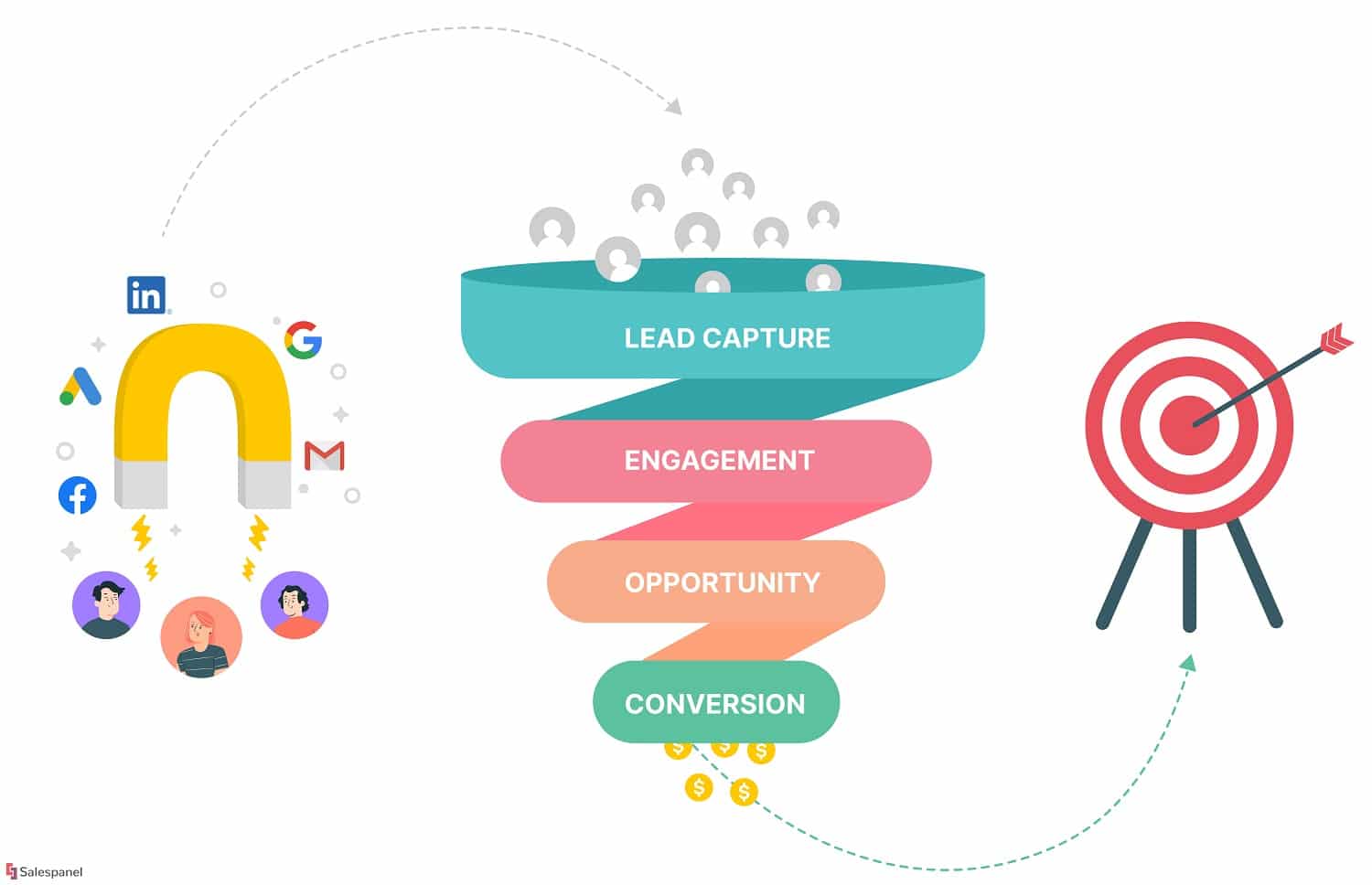
While many organizations initially adopt AI for content marketing, the true value of AI emerges when it directly supports lead generation and sales growth. The most successful B2B teams understand that content is not simply about attracting attention. It is about moving prospects through the buying journey and creating meaningful business opportunities.
This is where strategic use of AI Content Generation Singapore can significantly improve performance across marketing and sales functions.
One of the most valuable prompt templates is the lead magnet creation framework.
Lead Magnet Prompt
“Act as a B2B demand generation strategist. Create an outline for a downloadable guide targeting [audience]. The guide should address key challenges, provide actionable solutions, and position our company as a trusted industry expert.”
For nurturing prospects, email marketing remains highly effective.
Email Nurture Prompt
“Create a five-email nurture sequence targeting [buyer persona]. Each email should educate prospects, address common objections, provide valuable insights, and guide readers toward a consultation or product demonstration.”
Sales teams can also benefit from AI-powered content creation.
Sales Enablement Prompt
“Develop a one-page sales sheet explaining the benefits of [product/service]. Include key challenges solved, business outcomes, differentiators, and persuasive messaging suitable for enterprise buyers.”
Organizations leveraging AI Content Generation Singapore frequently use AI to create case studies as well.
Case Study Prompt
“Create a B2B case study highlighting a client’s challenges, implemented solution, measurable results, and lessons learned. Use a professional and credible tone.”
The advantage of these prompt templates is consistency. Every asset generated follows a repeatable structure while maintaining relevance for specific audiences and industries. As a result, marketing teams can produce more sales-supporting content in less time while enabling sales teams with materials that help accelerate purchasing decisions.
Ultimately, content becomes more than a marketing activity. It becomes a revenue-generating asset that supports every stage of the customer acquisition process.

Social Media Prompt Templates That Build Authority and Market Visibility
Many B2B companies underestimate the influence of social media on modern buying decisions. Decision-makers increasingly consume content on LinkedIn and other professional platforms long before engaging with a sales representative. This makes consistent thought leadership essential for brand visibility and credibility.
Businesses adopting AI Content Generation Singapore are using AI-powered prompt frameworks to maintain a strong presence across multiple channels without overwhelming internal teams.
One highly effective prompt is the executive thought leadership template.
Thought Leadership Prompt
“Act as a CEO in the [industry] sector. Write a LinkedIn post sharing unique insights about current industry trends, business challenges, and future opportunities. Use a confident and authoritative tone.”
Content repurposing is another area where AI delivers exceptional efficiency.
Blog-to-LinkedIn Prompt
“Transform this blog article into five LinkedIn posts. Each post should focus on a different key insight, include a strong hook, and encourage professional discussion.”
Video content continues to gain momentum among B2B audiences.
Video Script Prompt
“Create a 60-second video script explaining [topic]. Include a compelling opening hook, key insights, practical examples, and a strong call-to-action.”
Customer success stories can also be transformed into engaging content.
Success Story Prompt
“Convert this case study into a LinkedIn storytelling post highlighting the client’s challenge, transformation journey, and measurable outcomes.”
Organizations investing in AI Content Generation Singapore often discover that content creation is no longer the primary challenge. Distribution and consistency become the new priorities. Well-designed prompt libraries allow teams to generate a continuous stream of valuable content while maintaining brand standards and messaging consistency.
In today’s crowded digital landscape, visibility is earned through sustained expertise. AI helps organizations maintain that visibility without dramatically increasing operational costs or resource requirements.

Advanced Prompt Frameworks That Separate Leaders From Followers
As AI adoption matures, the gap between average users and high-performing organizations becomes increasingly apparent. The companies achieving the greatest results are not necessarily using more advanced tools. They are using more advanced prompting methodologies.
Businesses maximizing the value of AI Content Generation Singapore often deploy sophisticated prompt frameworks designed to generate deeper insights, higher-quality outputs, and more strategic content.
One advanced approach is persona-based prompting.
Persona Prompt
“Act as a Chief Information Officer evaluating cybersecurity solutions for a multinational company. Identify key concerns, priorities, evaluation criteria, and decision-making factors.”
This technique allows marketers to understand audience perspectives more effectively and create content that addresses real-world concerns.
Another powerful framework is multi-stage prompting.
Instead of generating an entire article in one prompt, teams break the process into stages:
- Research generation
- Outline development
- Section drafting
- Optimization
- Quality review
This structured approach often produces significantly better results than single-prompt workflows.
Competitive analysis prompts also provide substantial value.
Competitor Analysis Prompt
“Analyze the content strategies commonly used by companies in [industry]. Identify strengths, weaknesses, content gaps, and opportunities for differentiation.”
Organizations using advanced AI Content Generation Singapore workflows frequently build entire content production systems around these methodologies. Rather than treating AI as a simple writing assistant, they leverage it as a strategic content partner capable of supporting research, planning, execution, optimization, and performance improvement.
The future belongs to organizations that understand this distinction. AI is not merely a tool for producing content faster. It is a platform for creating smarter, more effective content strategies that drive measurable business outcomes.
Conclusion
The conversation around AI often focuses on speed. Faster writing. Faster ideation. Faster content production. While speed certainly matters, sustainable success comes from creating repeatable systems that consistently deliver quality results.
This is why leading organizations are investing in structured AI Content Generation Singapore frameworks rather than relying on ad-hoc experimentation. Prompt templates, workflow documentation, editorial standards, and quality control processes help ensure that every piece of content aligns with business objectives and brand expectations.
The most successful B2B teams treat prompts as strategic assets. They continuously refine templates, document best practices, and create internal libraries that can be used across departments. This institutional knowledge compounds over time, improving efficiency and content quality simultaneously.
A mature AI content workflow typically includes:
- Standardized prompt libraries
- Audience-specific templates
- Brand voice guidelines
- Content review procedures
- SEO optimization frameworks
- Performance measurement systems
- Content repurposing processes
Organizations embracing AI Content Generation Singapore as part of a long-term strategy gain more than operational efficiency. They build scalable marketing engines capable of supporting growth across multiple channels and markets.
The reality is that AI will continue transforming how B2B organizations create and distribute content. The companies that thrive will not simply be those using AI tools. They will be the ones developing repeatable systems that combine human expertise, strategic thinking, and AI-driven execution.
For B2B teams seeking sustainable competitive advantages, mastering prompt templates is no longer optional. It is rapidly becoming a core capability that influences visibility, lead generation, customer engagement, and long-term business growth. The organizations that establish these capabilities today will be significantly better positioned to lead tomorrow’s digital marketplace.
