

AI Content Generation Asia: Prompt Framework for Better Output
May 26, 2026 at 7:16 pm
Generative Engine Optimisation (GEO) for B2B Singapore: How to Make Your Brand Visible to AI — and the Buyers Who Use It
May 28, 2026 at 9:09 am

The Asian digital landscape is flooded with AI-generated content. Speed is no longer a competitive advantage—it’s the baseline. What separates winning brands from the noise is not how fast they publish, but how precisely they engineer quality.
Most teams underestimate this shift. They think AI is a shortcut to scale. In reality, it’s a stress test for discipline. Without structure, AI produces volume without value—content that looks fine at first glance but collapses under scrutiny.
Modern teams operating in competitive markets like Singapore are already adapting. Many are refining their systems around frameworks like AI Content Generation Singapore to ensure content is not just produced, but pressure-tested before it ever reaches a live audience.
A proper checklist begins with intent clarity: what is this content actually trying to achieve? Awareness? Ranking? Conversion? Without that clarity, AI simply produces structured noise.
Then comes verification. Every claim must be treated as suspect until proven otherwise. AI is confident even when it is wrong. That confidence is dangerous in SEO environments where trust is currency.
Finally, relevance must be localized. What works globally often fails in Asia due to cultural nuance, market fragmentation, and language variation.
In this new era, quality is not a stage—it is the system.

Strategy First, AI Second—Or You’re Just Scaling Confusion
The most common failure in AI-driven content teams is backwards thinking: they start with production instead of positioning.
High-performing teams reverse the equation. They begin with strategy, then use AI as an execution engine—not a decision-maker.
Every content piece should map to a clear business outcome. If it doesn’t influence awareness, authority, or revenue, it becomes digital clutter. AI makes it easy to create clutter at scale.
This is where structured frameworks like AI Content Generation Singapore become critical. They force teams to define inputs before outputs: audience intent, funnel stage, and competitive gap.
Without these anchors, AI will default to generic patterns. And generic content rarely ranks, rarely converts, and rarely builds trust.
Strong teams also define voice guidelines before generation begins. AI can mimic tone, but it cannot invent identity. That must come from the brand.
Strategy also includes restraint. Not every keyword deserves a page. Not every idea deserves publication. In fact, the discipline of saying “no” is what keeps content ecosystems clean and authoritative.
If AI is the engine, strategy is the steering wheel. Without it, you’re just accelerating toward noise.

The Quality Gate: Accuracy, Intent, and Trust Are Non-Negotiable
AI content fails most often in three areas: accuracy, intent alignment, and trust signals.
First, accuracy. AI can fabricate facts with no warning. This makes human verification non-negotiable. Every statistic, claim, or technical statement must be validated against credible sources. Teams that skip this step accumulate invisible reputational risk.
Second, intent alignment. Content can be well-written but still useless if it doesn’t match what the user is actually searching for. Many AI outputs drift into tangents that dilute purpose. A strong checklist forces ruthless alignment: one page, one intent.
Third, trust. Modern search systems and users both reward specificity. Vague statements signal low authority. Precise, grounded language signals experience.
This is why structured quality systems like AI Content Generation Singapore are increasingly used as pre-publish filters in Asian marketing teams.
A strong checklist includes:
- Fact verification against external sources
- Removal of unsupported claims
- Intent mapping against primary keyword
- Elimination of vague filler language
Without this gate, AI content becomes scalable guesswork. And guesswork does not rank.
Trust is not added after publishing. It is built before the first sentence goes live.

SEO Performance Is Engineered, Not Generated
Many teams assume AI automatically produces SEO-ready content. It doesn’t. It produces structured text—not structured performance.
SEO success still depends on fundamentals: search intent alignment, topical depth, internal linking, and semantic clarity.
AI often produces surface-level coverage. It touches topics without building authority. That’s why so many AI-heavy sites stall after initial indexing.
A strong content system ensures:
- One dominant keyword per page
- Clear supporting semantic clusters
- Internal linking that builds topical authority
- No duplication across pages
Frameworks like AI Content Generation Singapore are increasingly used to enforce this structure across multi-market teams.
Another overlooked issue is keyword cannibalization. AI tools often regenerate similar articles with slight variations, creating internal competition instead of authority consolidation.
SEO is no longer about publishing more. It is about publishing with structural intent.
Without that discipline, AI becomes a content treadmill—busy, but not productive.

Brand Voice Is the Only Thing AI Cannot Fake Well
AI can imitate tone. It cannot replicate identity.
This is where most AI-generated content collapses—it sounds correct, but forgettable. No tension. No edge. No perspective.
Strong brands build voice systems before scaling AI. They define:
- Sentence rhythm
- Vocabulary boundaries
- Opinion strength
- Narrative style
Then they enforce it during editing, not generation.
Teams using systems like AI Content Generation Singapore often build editorial layers specifically to “humanize” AI drafts. Not to correct grammar—but to inject perspective.
Because in saturated markets, neutrality is invisible.
A strong voice doesn’t mean being loud. It means being recognizable.
And recognition is what converts attention into trust.
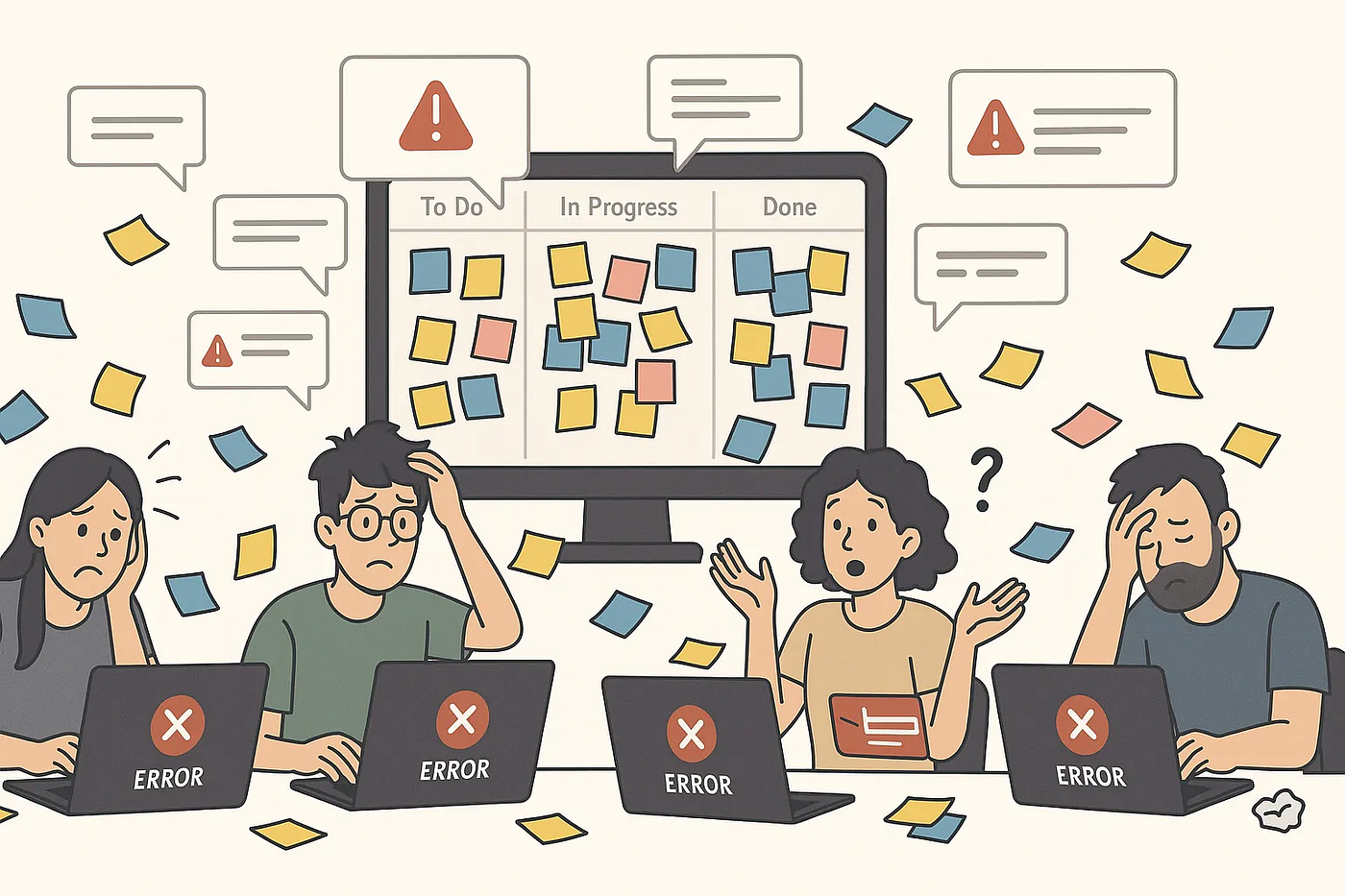
Workflow Discipline Separates Scaling Teams From Chaotic Teams
AI doesn’t break content systems. Lack of workflow does.
Without structured review processes, AI content becomes unpredictable at scale. Some pieces rank. Some fail. Most drift.
High-performing teams build layered workflows:
- AI generates drafts
- Editors refine structure and clarity
- SEO specialists validate intent and structure
- Final reviewers enforce brand and compliance standards
This is where operational frameworks like AI Content Generation Singapore become critical—not as tools, but as governance systems.
The checklist becomes the gatekeeper. Every piece must pass:
- Accuracy checks
- SEO validation
- Voice alignment
- Intent confirmation
Without this, scaling AI content is not growth—it’s uncontrolled expansion.
The difference is discipline. Not tools.
Conclusion
AI content generation in Asia is entering a new phase. The winners will not be the fastest publishers, but the most consistent engineers of quality.
The shift is clear: from content production to content systems.
In this environment, frameworks like AI Content Generation Singapore act less like marketing tools and more like infrastructure for trust, clarity, and scalability.
The future checklist is not just about checking grammar or SEO tags. It is about enforcing:
- Strategic alignment
- Human verification
- Brand consistency
- Structural SEO integrity
- Audience relevance
Teams that ignore this will drown in their own output.
Teams that embrace it will compound authority over time.
AI doesn’t replace content strategy. It exposes whether you had one in the first place.
