

AI Lead Generation in Singapore and Asia in 2026: What’s Actually Changed
May 26, 2026 at 7:43 am
AI Content Generation Asia: Content Quality Checklist for Teams
May 26, 2026 at 9:53 pm

Across Asia, the speed of business has changed. Markets move faster. Consumer attention shrinks. Competition multiplies overnight. What used to take weeks of planning, writing, editing, and approval can now happen in hours. This is exactly why businesses are turning toward AI Content Generation Singapore to scale content production without collapsing under operational pressure.
The reality is simple: content has become a business infrastructure problem. Companies are expected to publish SEO articles, social media content, email campaigns, LinkedIn thought leadership, landing pages, ad copy, and short-form videos at relentless speed. Manual workflows alone are struggling to keep up.
In markets like Singapore, Malaysia, Indonesia, the Philippines, and broader Asia, businesses are no longer asking whether AI should be part of content production. They are asking how to use it effectively without producing robotic, generic output. That distinction matters.
Many brands entered the AI race expecting instant perfection. Instead, they discovered mediocre blog posts, repetitive messaging, and lifeless copy that sounded like it was written by a machine trying too hard to sound human. Technology was never the real issue. Poor prompting was.
The strongest companies understand that AI is not a replacement for thinking. It is an amplifier of direction. Better input creates better output. Weak instructions create weak results.
This is why strategic prompting has become the hidden competitive advantage behind successful content teams. Businesses investing in AI Content Generation Singapore are beginning to understand that AI works best when structure meets strategy.
The companies winning with AI are not merely generating more content. They are engineering better content systems. Speed matters, but relevance, clarity, and market positioning matter more.
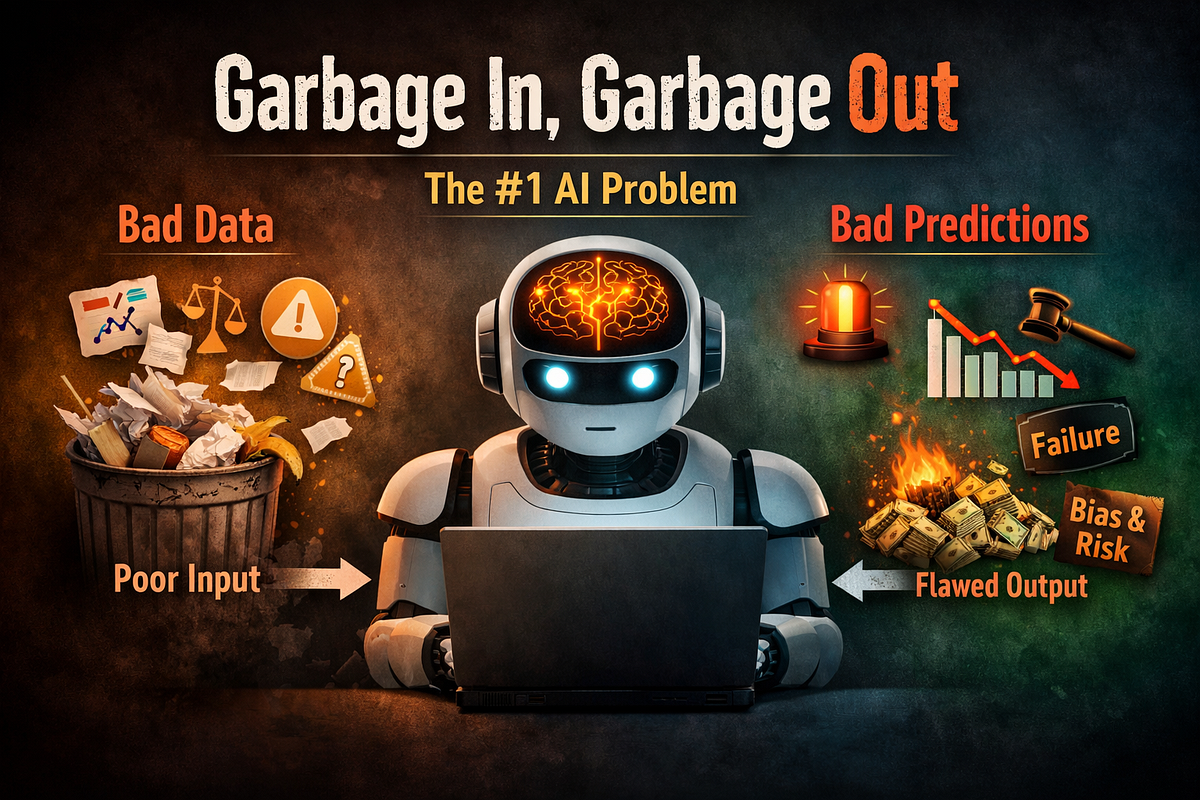
Garbage In, Garbage Out — Why Most AI Content Fails
There is an uncomfortable truth most businesses avoid discussing: AI content is often disappointing because people ask poor questions.
The problem is rarely the model itself. The problem is direction. Too many businesses treat AI like a magic button. They type vague instructions such as, “Write a blog about digital marketing,” and expect authority, nuance, SEO performance, and brand alignment to somehow appear automatically.
That approach produces what many companies are already drowning in: forgettable content.
This is where many organizations misunderstand the value of AI Content Generation Singapore. AI is not simply about speed. It is about precision. Without clarity, the output becomes generic, repetitive, and disconnected from the audience.
Poor prompts usually fail for several reasons:
First, they lack context. AI cannot read a company’s mind. It does not know the target audience, industry dynamics, customer pain points, or business objectives unless clearly instructed.
Second, they ignore tone and brand voice. A B2B software company in Singapore should not sound like a lifestyle influencer on social media. Yet many AI-generated outputs blur these distinctions because nobody defined the tone.
Third, they fail to structure expectations. Businesses often forget to specify formatting, SEO requirements, regional context, or intended outcomes.
This becomes especially important in Asian markets where messaging differs dramatically between countries. What resonates in Singapore may not connect in Indonesia or the Philippines.
Brands leveraging AI Content Generation Singapore effectively know one critical principle: AI rewards specificity. The sharper the brief, the stronger the result.
The gap between mediocre AI output and exceptional AI output is often just one thing — the quality of the prompt.

Better Instructions, Better Outcomes — The Real Foundation of High-Performance Prompting
If AI content quality feels inconsistent, there is usually one reason behind it: there is no system behind the prompts.
Strong content generation begins with clarity. Businesses succeeding with AI Content Generation Singapore are increasingly adopting structured prompt frameworks because randomness rarely produces quality.
At its core, a high-performing AI prompt answers six critical questions.
Who is the AI supposed to be?
Should it act like an SEO strategist, B2B copywriter, video script expert, or content marketer? Assigning a role creates perspective and sharpens expertise.
Who is the audience?
Content written for enterprise decision-makers sounds radically different from content targeting startup founders or Gen Z consumers.
What is the objective?
Is the content meant to educate, rank on search engines, generate leads, build trust, or drive conversions? AI performs better when there is a defined outcome.
What tone should be used?
Professional? Authoritative? Conversational? Strategic? Gritty? Without tone direction, AI often defaults to bland corporate language.
What structure is required?
Businesses should define formatting requirements upfront — section lengths, headlines, SEO optimization, call-to-actions, readability standards, and platform-specific formatting.
What limitations exist?
Specify what should be avoided. For example: no clichés, no robotic phrasing, no overuse of buzzwords, and no exaggerated claims.
This is where many organizations using AI Content Generation Singapore gain a meaningful advantage. They stop improvising and start building repeatable systems.
Great prompting is not about complicated instructions. It is about intentional instructions.
When businesses stop treating AI casually and begin treating it strategically, content quality stops feeling unpredictable. It starts becoming scalable.

The Prompt Framework That Separates Weak Content from Exceptional Output
Most businesses do not have an AI problem. They have a prompting problem.
The difference between average content and highly effective content often comes down to one thing: structure. Random prompts create random outcomes. Strategic prompts create consistency. Businesses embracing AI Content Generation Singapore are increasingly relying on frameworks instead of guesswork because repeatable systems scale faster than improvisation.
A strong AI prompt framework does not need to be complicated. It needs to be disciplined.
Step One: Define the Role
Start by telling the AI who it should become. Should it think like an SEO strategist, B2B marketer, conversion copywriter, or content editor? Perspective shapes output.
For example:
Act as an experienced B2B content strategist specializing in SEO-driven marketing for enterprise technology brands in Asia.
Immediately, the response becomes sharper.
Step Two: Add Context
This is where most prompts fail. Businesses skip the details that matter.
Include:
- Industry
- Target market
- Audience pain points
- Geographic focus
- Business objective
A Singapore fintech company targeting enterprise clients should not sound like an ecommerce fashion brand.
Step Three: Specify Tone and Style
Tone determines emotional resonance.
Do you want:
- Professional and authoritative?
- Strategic and consultative?
- Gritty and insightful?
- Conversational but intelligent?
Without instruction, AI often defaults to lifeless corporate filler.
Step Four: Define Output Expectations
Tell AI exactly what success looks like.
Specify:
- Word count
- Structure
- SEO keywords
- Formatting
- Call-to-action style
- Reading level
Brands investing in AI Content Generation Singapore know that precision changes everything. AI is not magic. It is responsive intelligence.
Give weak instructions and expect mediocrity. Give strategic instructions and the output becomes dramatically harder to ignore.

Weak Prompts Create Weak Content — Here’s What Better Looks Like
The fastest way to improve AI output is not switching platforms. It is improving prompts.
Many businesses assume expensive AI tools automatically produce better content. They do not. Even the most advanced model becomes average when fed vague instructions.
Consider this weak prompt:
“Write a blog about AI marketing.”
What happens next? Generic headlines. Surface-level advice. Predictable wording. No regional relevance. No strategic depth.
Now compare that with a stronger prompt:
“Act as a senior B2B marketing strategist in Asia. Write a 1,500-word SEO blog targeting enterprise decision-makers in Singapore. Use a professional but gritty tone. Focus on practical business outcomes, avoid clichés, and structure the content for readability.”
The difference is immediate.
This is one of the key lessons businesses discover through AI Content Generation Singapore. AI performs best when expectations are crystal clear.
Here are practical examples of stronger prompt applications:
For SEO Blogs
Specify keyword intent, audience sophistication, content length, and ranking goals.
For LinkedIn Thought Leadership
Define authority level, professional tone, and audience objections.
For TikTok or Short Videos
Ask for hook-first storytelling, emotional pacing, and concise scripting.
For Landing Pages
Focus prompts on pain points, trust signals, benefits, and conversion psychology.
For B2B Lead Generation
Instruct AI to think commercially rather than informationally.
Small prompt upgrades produce disproportionate results.
Companies succeeding with AI Content Generation Singapore understand this reality well: quality content is rarely accidental.
Behind strong AI output is usually a stronger instruction process.

Asia Is Not One Market — Why Localization Matters in AI Content
One of the fastest ways for AI content to fail in Asia is assuming Asia behaves like a single audience.
It does not.
The language, tone, buyer psychology, and decision-making behaviors vary dramatically between markets. A message that performs well in Singapore may struggle in Indonesia. Content designed for the Philippines may feel too formal in Malaysia or disconnected in Thailand.
This is why localization matters.
Businesses using AI Content Generation Singapore effectively understand that prompts must account for regional nuance.
For example, Singapore audiences often respond to:
- Efficiency
- Business outcomes
- ROI-driven language
- Professional authority
Meanwhile, broader Southeast Asian audiences may connect more strongly with:
- Community trust
- Practical value
- Relationship-driven messaging
- Simpler communication styles
AI only adapts when instructed.
Instead of saying:
“Write marketing content for Asia.”
A stronger instruction would be:
“Write content for B2B decision-makers in Singapore who prioritize operational efficiency and measurable business growth.”
Notice the difference. The second prompt contains context, psychology, and market specificity.
Localization also affects:
- Cultural references
- Humor sensitivity
- Formality levels
- Buying motivations
- Search behavior and SEO phrasing
Businesses leveraging AI Content Generation Singapore are increasingly realizing that scale without localization often leads to wasted content budgets.
The goal is not simply to produce more content.
The goal is to produce content that feels native to the audience reading it.
In Asia, relevance always beats volume.
Conclusion
The future of content will not belong to the companies producing the most content.
It will belong to the companies producing the most useful, relevant, and strategically aligned content.
AI has changed the economics of marketing. Speed is no longer rare. Scale is no longer difficult. But quality? Quality remains the dividing line.
This is why prompting matters more than many businesses realize.
The strongest organizations using AI Content Generation Singapore are not relying on luck or experimentation alone. They are building frameworks, documenting workflows, and refining prompt systems that produce consistent results.
Because consistency compounds.
A better prompt creates:
- Better SEO content
- Better lead generation assets
- Better conversion messaging
- Better thought leadership
- Better audience trust
More importantly, it reduces wasted effort.
Teams stop rewriting weak drafts endlessly. Marketing becomes faster without sacrificing strategic quality. Content shifts from reactive production into intentional communication.
The uncomfortable truth is this: AI does not automatically create competitive advantage.
Everyone has access to similar tools.
The real advantage comes from how intelligently businesses use them.
Companies that master prompting will outperform companies still chasing shortcuts. Not because the technology is different, but because the thinking behind the technology is better.
Businesses investing in AI Content Generation Singapore are beginning to understand something important — better instructions create better outcomes.
And in a world flooded with average content, better output becomes impossible to ignore.
