

The AI Customer Journey: Connecting Every Touchpoint to Business Outcomes
November 10, 2026 at 4:36 pm
How to Build an AI Marketing Measurement Model That Executives Can Trust
November 11, 2026 at 6:12 pm

Asia represents one of the world’s most diverse and commercially significant digital markets. For businesses looking to expand across the region, the opportunity is substantial. However, reaching customers in different Asian countries requires more than translating an existing marketing message into another language. It requires understanding how people think, communicate, evaluate products and make purchasing decisions.
A message that performs well in Singapore may not generate the same response in Japan, Indonesia or Thailand. Even when audiences understand the language, they may interpret the message differently because of cultural expectations, social values and local consumer behaviour. Humour, emotional expressions, business terminology and even seemingly straightforward calls to action can carry different meanings across markets.
This is where content localization becomes essential. Traditional translation focuses on converting words from one language to another while preserving their literal meaning. Localization goes further. It adapts the message, tone, examples, cultural references and presentation to make the content relevant to the intended audience.
For businesses investing in AI Content Generation Singapore, this distinction is becoming increasingly important. AI technology can help produce multilingual content at scale, but generating different language versions does not automatically make a marketing campaign culturally relevant. The real challenge is ensuring that every version communicates the intended value in a way that local audiences understand and trust.
Consider a business promoting a premium product. One market may respond strongly to convenience and personal achievement, while another may place greater emphasis on reliability, reputation or long-term value. A direct translation of the same advertisement may preserve the words but lose the emotional connection.
Businesses must therefore stop treating localization as a final production task. It should be part of the marketing strategy from the beginning. The objective is not simply to make content understandable. It is to make the message feel natural, credible and relevant to the people receiving it.
Asia Is Not One Market – Understanding Cultural and Consumer Differences
One of the biggest mistakes businesses make when expanding across Asia is treating the region as a single consumer market. Although neighbouring countries may share geographical proximity, trade relationships or certain cultural influences, their audiences can have significantly different expectations.
Singapore, China, Japan, South Korea, Thailand, Indonesia, Malaysia, Vietnam and the Philippines each have distinct languages, social environments, digital habits and purchasing behaviours. Even within individual countries, regional differences, age groups and socioeconomic backgrounds can influence how people respond to marketing messages.
For example, Singaporean consumers operate in a highly multicultural environment where English is widely used alongside Mandarin, Malay and Tamil. Indonesia presents a different challenge, with Bahasa Indonesia playing a central role in national communication while regional languages and local identities remain important. Japanese consumers may place considerable importance on precision, presentation and credibility, while marketing to Filipino audiences may benefit from relatable storytelling, community connections and conversational messaging. These are useful starting observations, not fixed rules for every individual.
This complexity makes cultural research an essential part of localization. Businesses need to understand what their audiences value, which concerns influence purchasing decisions and what type of communication feels appropriate in each market.
For companies investing in AI Content Generation Singapore, this means providing AI systems with more than language instructions. They need market-specific context, customer profiles, brand guidelines and relevant cultural insights.
AI can help marketers develop audience variations, identify recurring themes and adapt messaging for different segments. However, these outputs must be evaluated against actual market knowledge rather than assumptions about national culture.
The strongest localization strategies recognize diversity without reducing people to stereotypes. They combine data, research and local expertise to understand what matters to specific customer groups.
Asia’s diversity is not an obstacle to expansion. It is an opportunity for businesses willing to understand their audiences before trying to sell to them.
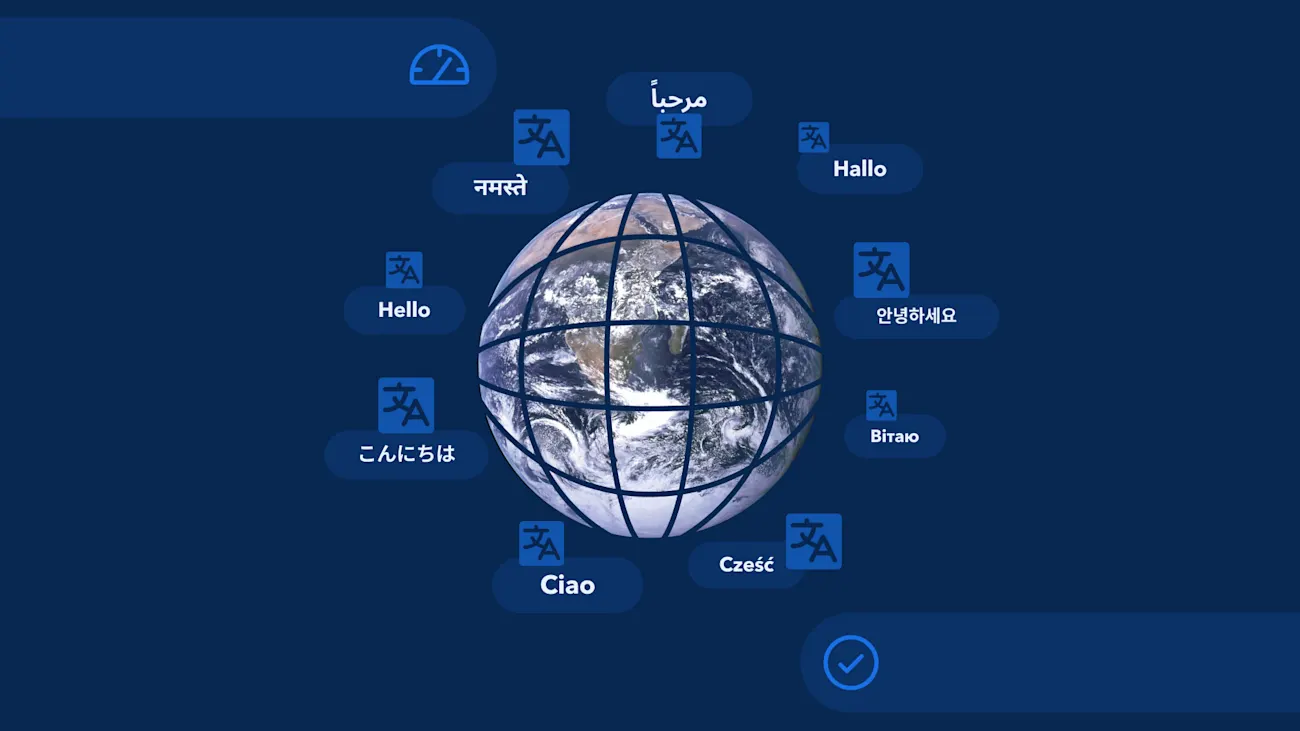
How AI Is Transforming Content Localization Beyond Translation
Traditional content localization can be time-consuming. Businesses often need translators, editors, local marketing specialists and separate production teams to adapt campaigns for different markets. When companies manage multiple languages, platforms and content formats, the workload becomes increasingly difficult to coordinate.
Artificial intelligence is changing this process by helping marketing teams accelerate content adaptation and manage multilingual production more efficiently.
Modern generative AI systems can assist with rewriting articles, adjusting communication styles, adapting advertising headlines, creating localized social media captions and developing market-specific landing page content. Rather than simply translating an English article into several languages, marketers can use AI to produce variations based on different audience profiles, campaign objectives and communication preferences.
For example, a company promoting a business software solution across Singapore, Malaysia and Indonesia may need different approaches to explain the same product. One version might emphasize operational efficiency, another might focus on business scalability, while a third could highlight accessibility and practical value. The core product positioning remains consistent, but the supporting message changes to address different customer priorities.
This is where AI Content Generation Singapore becomes valuable as part of a broader marketing operation. AI can reduce repetitive production work, generate initial content variations and help teams maintain a more consistent publishing schedule across markets.
However, speed should not be confused with accuracy. AI models can misunderstand idiomatic expressions, misinterpret cultural references or produce language that sounds technically correct but unnatural to native speakers. They may also reproduce generalizations found in their training data.
Businesses should therefore establish a review process involving native-language professionals and people familiar with the target market. AI-generated content should be checked for meaning, tone, accuracy and cultural suitability before publication.
The objective is not to remove human involvement. It is to redirect human expertise towards the decisions that matter most.
AI makes localization faster and more scalable. Human judgment ensures that the message remains meaningful.

Your Brand Voice Must Travel Across Borders Without Losing Its Identity
A brand should be recognizable regardless of where its audience lives. However, being recognizable does not mean communicating in exactly the same way across every market. One of the biggest challenges in regional marketing is maintaining a consistent brand identity while adapting the way that identity is expressed.
A brand that uses bold, direct and humorous messaging in one country may need a more measured, professional or relationship-oriented approach in another. The challenge is finding the balance between preserving the brand’s personality and respecting local communication preferences.
This is where strategic localization becomes more important than simple content adaptation. Businesses must identify which elements of their messaging are non-negotiable and which can be adjusted. Brand positioning, core values, product promises and visual identity should remain consistent. However, storytelling techniques, emotional appeals, examples and calls to action can change depending on the audience.
AI can help marketing teams manage these variations. With properly defined brand guidelines, AI systems can generate multiple versions of the same campaign while following established communication standards. Through AI Content Generation Singapore, businesses can develop localized blog articles, advertising messages, email campaigns and social media content without rebuilding every asset from scratch.
For example, a B2B technology company might position its solution around innovation, operational efficiency and business growth. However, the way these benefits are communicated may differ between markets. Some audiences may respond to technical capabilities and measurable performance, while others may need stronger reassurance around implementation, reliability and long-term support.
AI can generate these messaging variations, but marketers must establish the strategic direction. They should provide audience context, tone requirements, preferred terminology and examples of successful brand communication.
Businesses should also maintain a localization style guide for every priority market. This document can include language preferences, terminology, cultural considerations and communication boundaries.
The objective is simple: adapt the conversation without changing the brand’s identity. Customers should feel that the business understands their market, not that they are interacting with an entirely different company.
Localize SEO, Social Media and Digital Campaigns for Greater Market Visibility
Creating culturally relevant content is only half the challenge. Businesses must also ensure that their content can be discovered through the digital channels their target audiences actually use.
This is particularly important for companies expanding across Asia, where search behaviour, keyword preferences, social media platforms and online purchasing journeys can differ significantly between markets.
A common mistake in multilingual SEO is translating existing keywords directly into another language. Although the translated phrase may be grammatically accurate, it may not reflect how local customers search for products or services. People often use different expressions, industry terminology and problem-focused queries when looking for the same solution.
For example, a business targeting customers in Singapore may develop English-language content around AI marketing automation. However, expanding into another market may require researching local search terminology, alternative expressions and market-specific questions before developing the localized version.
This is where AI Content Generation Singapore can support a more intelligent content strategy. AI can assist with keyword research, search intent analysis, multilingual article development, metadata adaptation and content optimization. Marketers can also use AI to develop localized landing pages that address the specific concerns of different customer segments.
Social media requires the same level of attention. A campaign designed for LinkedIn may need a different communication style from content created for TikTok, Facebook or Instagram. Local trends, preferred content formats and audience expectations should influence how each message is presented.
Businesses should also consider visual localization. Images, product demonstrations, colours, references and examples can influence whether a campaign feels relevant to its intended audience.
Through AI Content Generation Singapore, marketing teams can produce variations of creative assets and supporting copy more efficiently while maintaining consistent campaign objectives.
However, publishing localized content is not the final measure of success. Businesses must evaluate organic traffic, engagement, qualified leads, conversion rates and customer behaviour separately across markets.
Visibility is valuable, but relevance drives action. The real objective is not to attract more visitors from different countries. It is to attract the right people with messages that address their needs.
Build a Scalable AI Content Localization Strategy for Asia
Localization becomes difficult when businesses treat every market as a separate project. Without a structured process, marketing teams end up duplicating work, managing inconsistent messaging and spending unnecessary time correcting content after publication.
The solution is to build a repeatable localization system that combines AI efficiency with human expertise.
The first step is identifying priority markets. Businesses should not attempt to localize everything for every country immediately. Instead, they should evaluate market opportunities, customer demand, business objectives and available resources. Singapore, Malaysia, Indonesia, Thailand, Vietnam and the Philippines may represent different opportunities depending on the company’s products and target customers.
The second step is establishing a centralized brand foundation. This should include brand positioning, tone of voice, product information, approved terminology, messaging guidelines and content objectives. AI systems need reliable context to generate consistent and relevant material.
The third step is developing market-specific audience profiles. Businesses should document local customer needs, purchasing concerns, communication preferences and search behaviour. These insights become the foundation for localized content production.
The fourth step involves using AI to accelerate content adaptation. With AI Content Generation Singapore, businesses can develop localized versions of articles, landing pages, email campaigns, advertisements and social media content using a more centralized workflow.
The fifth step is human review. Native-language professionals and local market specialists should examine the content for accuracy, cultural relevance, natural phrasing and potential misunderstandings. This step should never be treated as optional for important customer-facing communications.
Finally, businesses must measure performance and continuously improve their approach. Track engagement, search visibility, lead quality and conversion rates by market. Identify which messages work, which need refinement and which assumptions were incorrect.
An experienced AI Content Generation Singapore partner can help businesses connect these processes into a more coordinated content operation.
The important principle is to build a system that learns. Every campaign should provide insights that improve the next one. Localization should become part of the organization’s ongoing marketing capability rather than an expensive activity repeated whenever a new market is entered.
Conclusion
Artificial intelligence is changing how businesses create, distribute and manage content. Companies can now develop multilingual campaigns, adapt messaging and expand their digital presence across several markets with significantly greater production flexibility.
But technology alone does not guarantee meaningful communication.
A business can generate hundreds of articles, advertisements and social media posts in different languages and still fail to connect with its intended customers. It can achieve impressive publishing volume while producing content that feels generic, disconnected or culturally inappropriate.
That is the fundamental difference between content production and effective localization.
The future of regional marketing will depend on how well businesses combine artificial intelligence with cultural intelligence. AI provides the ability to work faster, analyse information and scale content production. Human expertise provides the understanding needed to recognize context, emotional nuance and local expectations.
For businesses expanding across Asia, this combination creates a powerful opportunity. Instead of maintaining completely separate content operations for every market, organizations can establish centralized strategies supported by localized execution. Their core brand identity remains consistent, while their communication adapts to the audiences they want to reach.
This is where AI Content Generation Singapore becomes more than a content production solution. It can become part of a wider business strategy that connects multilingual communication, search visibility, customer engagement and regional growth.
However, businesses must remain disciplined. Every localized message should serve a clear purpose, address a genuine audience need and reflect the company’s actual value. AI-generated content must be reviewed, tested and improved using real market feedback.
Ultimately, successful expansion across Asia is not about speaking more languages. It is about understanding more people.
Businesses that rely entirely on translation will continue to compete on content volume. Businesses that invest in cultural understanding will have a stronger opportunity to compete on relevance, trust and customer relationships.
The next competitive advantage in Asian marketing will not come from simply creating content faster. It will come from communicating more intelligently, respecting local differences and making every message feel like it belongs in the market it serves.
