

Scaling Content Production with AI: A Singapore Strategy Blueprint
April 10, 2026 at 4:52 pm
The Future of AI Content in Singapore: Trends, Tools & Tactics
April 14, 2026 at 5:55 pm

There’s a hard truth most brands avoid: AI-generated content is only as powerful as its cultural accuracy. In a market like Singapore, where diversity isn’t a feature but the foundation, generic content doesn’t just underperform—it erodes trust. This is where AI Content Generation Singapore stops being a convenience and becomes a competitive weapon.
The illusion of efficiency is dangerous. AI can produce volume, but volume without cultural precision creates noise. Singapore audiences are sharp—they can instantly detect when something feels “off,” whether it’s tone, phrasing, or cultural context. That split-second disconnect costs engagement, credibility, and ultimately, conversions.
The brands that win here don’t just use AI—they discipline it. They shape outputs through localized intelligence, not just prompts. They understand that AI Content Generation Singapore requires a deeper layer of strategy: aligning machine efficiency with human cultural nuance.
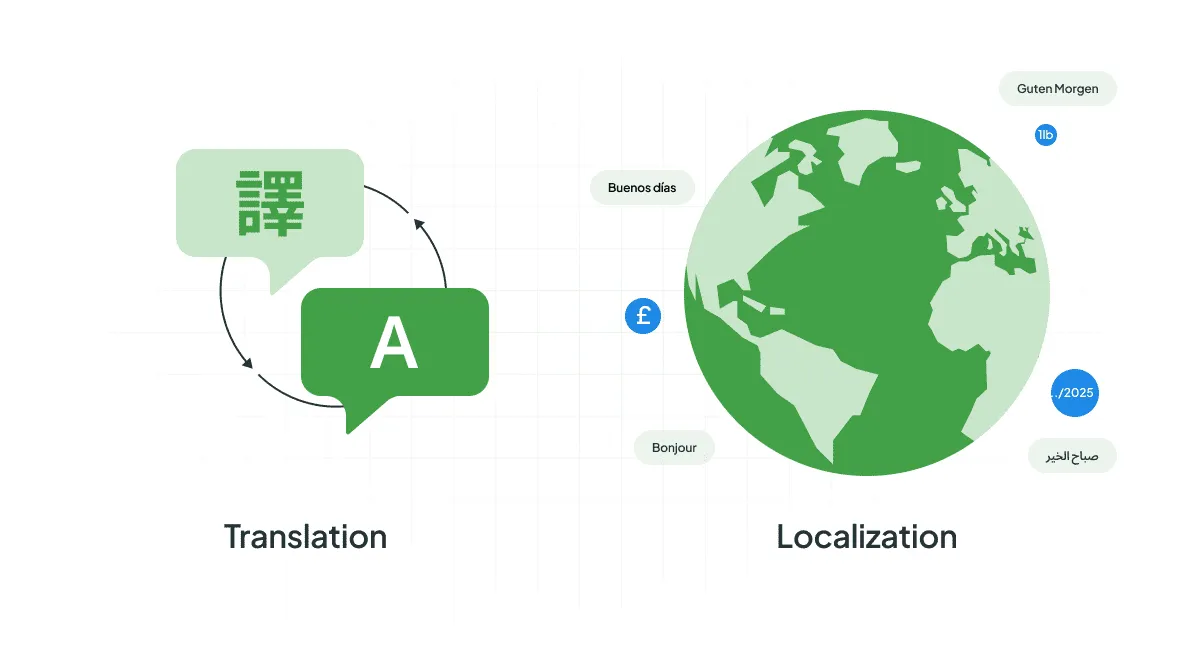
Localization isn’t translation. It’s interpretation. It’s knowing when to soften a message, when to emphasize community over individuality, and when to adapt language entirely. Without that layer, AI becomes a blunt instrument.
In Singapore, precision beats scale. And in the long run, culturally tuned AI content doesn’t just perform better—it compounds trust.

Singapore’s Multicultural Reality: Complexity Most Brands Underestimate
Singapore’s diversity isn’t just demographic—it’s behavioral, linguistic, and deeply contextual. Chinese, Malay, Indian, and other communities coexist, but they don’t respond to content in identical ways. Assuming they do is where most AI strategies fail.
Language alone is layered. English may dominate business communication, but Mandarin, Malay, and Tamil carry cultural weight that AI often ignores. Effective AI Content Generation Singapore recognizes when language is functional—and when it’s emotional.
Then there’s generational nuance. Younger audiences may embrace hybrid tones, blending English with Singlish. Older segments often prefer clarity, respect, and structure. Cultural traditions further shape perception—what resonates during Hari Raya differs from Deepavali or Chinese New Year.
This isn’t complexity to avoid—it’s leverage. Brands that understand micro-segmentation can craft messages that feel personal, not broadcasted. That’s the difference between being seen and being remembered.
The mistake is oversimplification. AI models default to averages, but Singapore is not an average market. It’s a mosaic. And effective AI Content Generation Singapore requires treating it that way—segment by segment, nuance by nuance.
Where AI Content Fails—and Why It Quietly Damages Brands
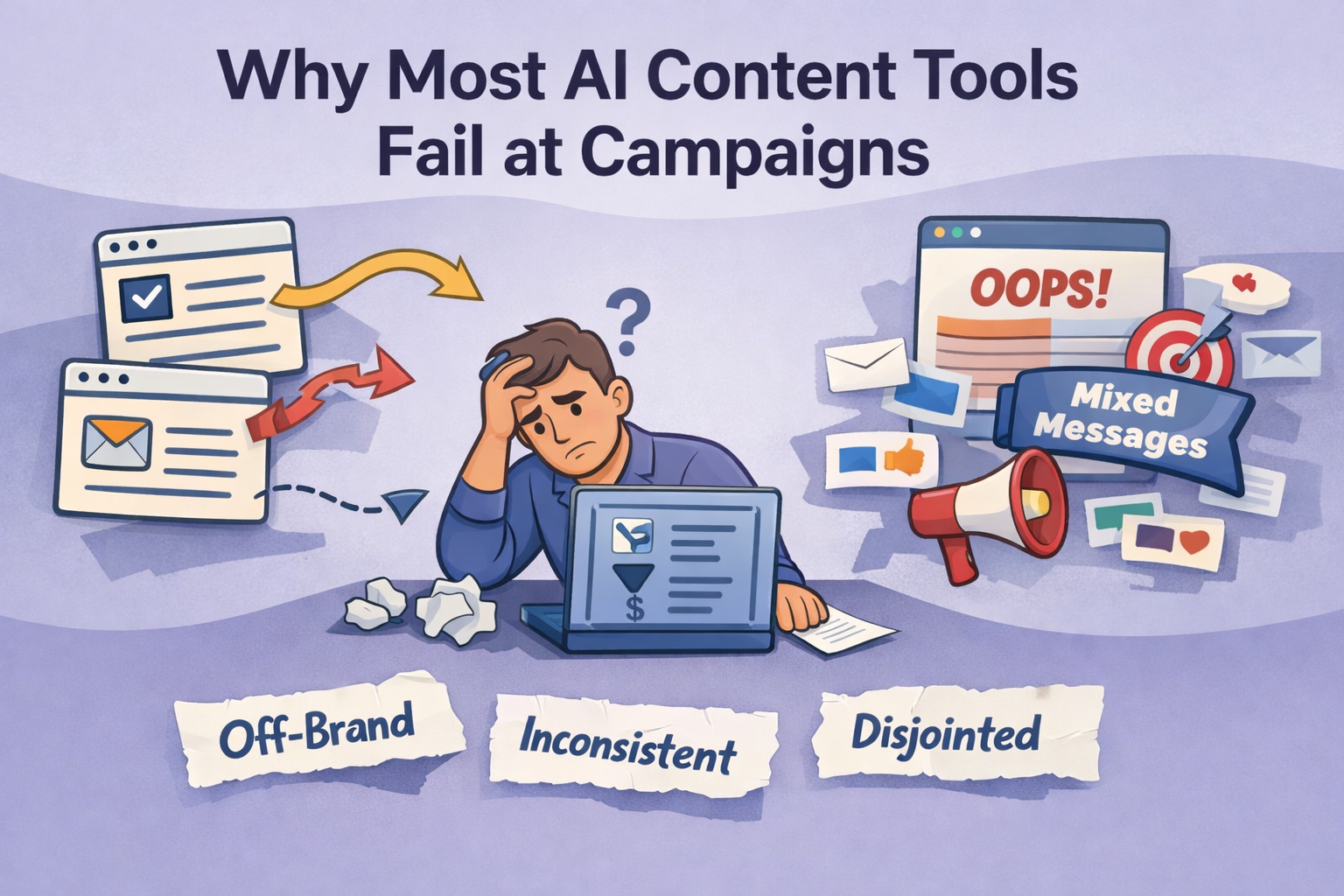
AI doesn’t fail loudly. It fails subtly. And that’s what makes it dangerous.
Most breakdowns happen in three areas: tone, context, and intent. Literal translations strip emotional meaning. Western-trained models default to directness, which can feel aggressive or tone-deaf in Asian contexts. Humor often misfires entirely.
This is where poorly executed AI Content Generation Singapore becomes a liability. Not because the content is “wrong,” but because it’s slightly off—just enough to disconnect.
Consider messaging that ignores hierarchy or respect. Or campaigns that overlook cultural sensitivities tied to religion or tradition. These aren’t just minor errors—they signal a lack of understanding. And in a market like Singapore, that perception sticks.
The cost isn’t immediate outrage. It’s silent disengagement. Lower click-through rates. Weak conversions. A gradual erosion of brand authority.
AI amplifies what you feed it. If your inputs lack cultural depth, your outputs will reflect that gap. That’s why successful AI Content Generation Singapore isn’t about better tools—it’s about better thinking.
Engineering a Localization-First AI Content Workflow
If you want AI to work in Singapore, you don’t start with content—you start with structure.
A localization-first workflow begins before the first prompt is written. Audience segmentation comes first. Define who you’re speaking to, not just demographically, but culturally and behaviorally.
Next comes prompt engineering. Generic prompts produce generic outputs. But when you embed cultural context—tone guidelines, linguistic preferences, even situational nuances—you begin to shape something usable. This is where AI Content Generation Singapore starts to deliver real value.
Then comes data. AI models perform better when grounded in localized examples. Feeding them region-specific references improves relevance instantly.
But here’s the non-negotiable: human oversight. No matter how advanced the system, cultural validation requires human judgment. Final review isn’t optional—it’s essential.
Finally, build feedback loops. Performance data—engagement, conversions, sentiment—should continuously refine your AI outputs. This transforms AI Content Generation Singapore from a static tool into a learning system.
The goal isn’t perfection. It’s iteration with cultural intelligence baked in.

What Actually Changes: Language, Tone, and Cultural Signals
Localization isn’t about rewriting everything—it’s about adjusting the variables that matter.
Tone is the first lever. In Singapore, overly aggressive sales language can backfire. Subtlety, respect, and clarity often outperform hard selling. Effective AI Content Generation Singapore calibrates tone based on audience expectations.
Language follows. It’s not just what you say, but how you say it. The choice between standard English and localized expressions can dramatically shift relatability. Singlish, for example, can create familiarity—but used incorrectly, it feels forced.
Cultural signals go deeper. Family, community, authority, and trust play outsized roles in decision-making. Campaigns that reflect these values resonate more strongly.
Then there’s timing. Cultural events shape attention and emotion. Messaging during festive periods must align with sentiment, not just promotion.
The mistake is focusing only on translation. Real AI Content Generation Singapore adapts meaning, not just words.
From Theory to Execution: Localized AI Content That Converts
The difference between theory and execution is discipline.
On social media, localized AI content can tailor messaging by audience segment—adjusting tone, visuals, and language dynamically. In paid ads, emotional triggers vary. What drives urgency in one group may not work in another.
Email marketing becomes significantly more effective when segmented culturally. Messaging that aligns with values and expectations sees higher open and conversion rates. This is where AI Content Generation Singapore proves its ROI.
Website personalization is another frontier. AI can dynamically adapt content based on user behavior and demographics, creating experiences that feel individualized.
The pattern is consistent: localized content outperforms generic content. Not marginally—but significantly.
Execution requires systems. But more importantly, it requires intent. AI doesn’t automatically localize—it follows instructions. And the quality of those instructions determines everything.

Scaling Without Losing Authenticity: The Final Challenge
Scaling AI content is easy. Scaling it without losing cultural authenticity is not.
The solution lies in balance. Automation handles volume. Humans handle nuance. Together, they create something sustainable.
Reusable prompt libraries are critical. They allow consistency across campaigns while preserving localized intelligence. Governance frameworks ensure brand voice doesn’t fragment across languages and segments.
Measurement matters. Engagement rates, conversion metrics, and audience feedback all signal whether your localization strategy is working. Without data, AI Content Generation Singapore becomes guesswork.
But the real advantage is long-term. As your system learns and refines, your content becomes sharper, faster, and more culturally aligned.
The endgame isn’t just efficiency. It’s precision at scale.
Conclusion: AI Doesn’t Replace Culture—It Amplifies It
AI is powerful—but only in the hands of those who understand its limits.
In Singapore, where diversity defines the market, localization isn’t optional. It’s the difference between relevance and invisibility. AI Content Generation Singapore succeeds when it respects nuance, adapts intelligently, and evolves continuously.
The brands that win won’t be the ones producing the most content. They’ll be the ones producing the most culturally precise content—consistently.
Because in the end, AI doesn’t create connection. It amplifies the understanding behind it.
